Yes, Cuba Is A Dictatorship
A Cuban teacher screams at her students that Cuba is not a dictatorship. The video goes viral. Then leaked directives reveal she was following orders from the regime. Behind her words: 26,000 empty teaching positions, $13/month salaries, and a school system that has nothing left except indoctrination.
Morón Burns
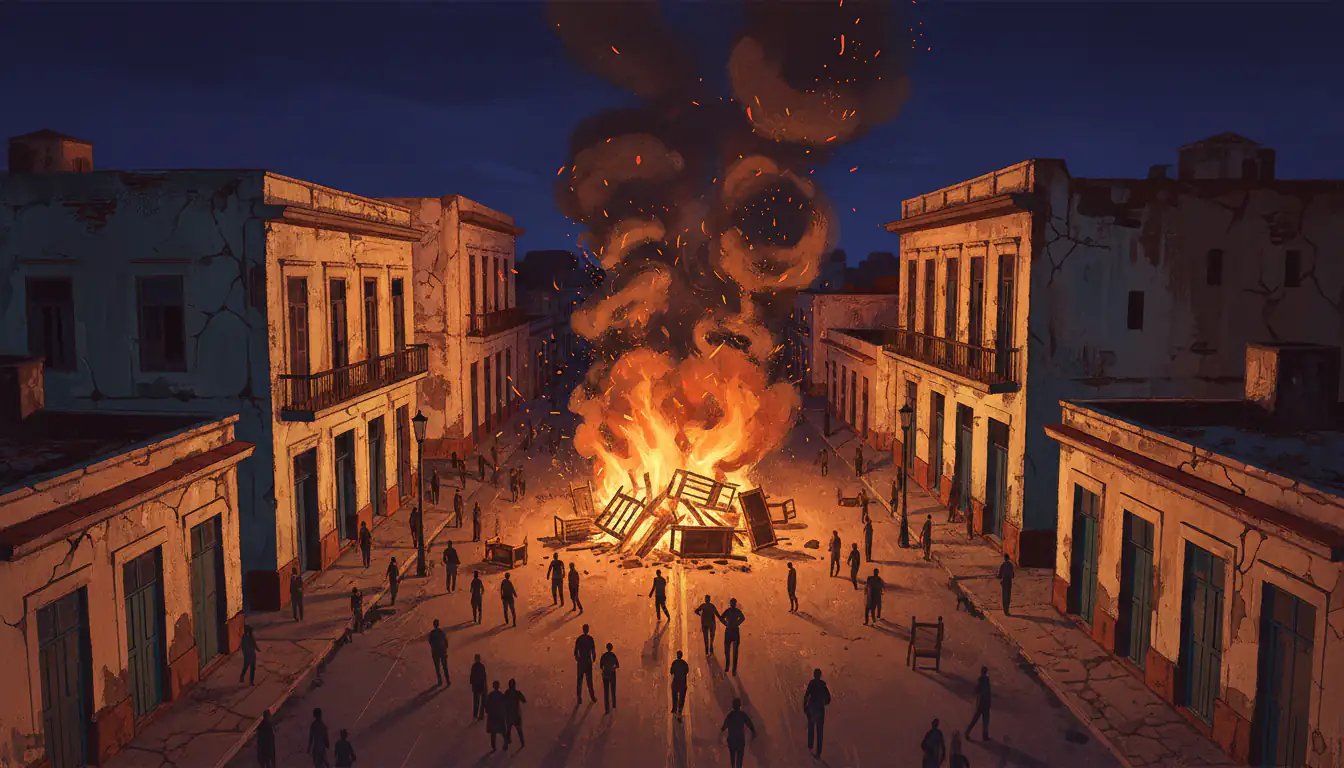
Morón, Ciego de Ávila. Friday, March 13th, 2026. Hundreds pour into the streets banging pots, chanting '¡Libertad!' and '¡Abajo la dictadura!' The crowd reaches the local Communist Party headquarters.
Furniture burns in the street. Five people are detained. A sixteen-year-old named Kevin Samuel Echeverría Rodríguez is injured at the scene. The regime claims he accidentally fell from the eaves of the building. Video appears to show otherwise.
Mass protests erupted in Morón on March 13, 2026, with cacerolazos and crowds storming the local PCC headquarters
At least five people were detained; a 16-year-old protester was injured under disputed circumstances
The regime's official account of the minor's injury contradicted video evidence
- CiberCuba (2026). 'Morón takes to the streets amidst cacophonies of pots and pans and shouts of Freedom!'
- Diario de Cuba (2026). 'El pueblo de Morón exige libertad y ataca la sede del PCC'
- CiberCuba (2026). 'Injured individual identified in Morón protests: The regime denies firing'
- Infobae (2026). 'Al menos cinco detenidos tras un ataque contra la sede del PCC durante una protesta en Morón'
"Esto No Es Una Dictadura"
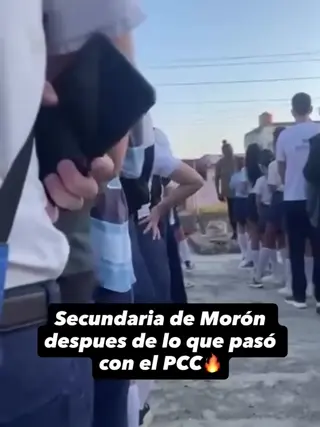
Three days after Morón erupts, a video surfaces from the Instituto Preuniversitario Roberto Rodríguez. A teacher addresses her students: "Recuerden bien — esto no es una dictadura. Si esto fuera una dictadura, no estuviéramos todos aquí." She calls it socialism, "with all its difficulties and errors."
Then the line that detonates across the diaspora: "Ojalá que todos tuvieran, especialmente en el mundo, estas condiciones que tenemos hoy en día." She follows with a threat — any student involved in the protests will face consequences. But Periódico Cubano noticed what she could not do: after insisting Cuba is not a dictatorship, she never names what it actually is. The argument collapses into a silence she does not recognize.
The teacher at the Roberto Rodríguez pre-university institute in Morón denied Cuba is a dictatorship, praised its conditions as enviable worldwide, and threatened students who may have joined the March 13 protests — but when pressed to define the system, she could not.
Periódico Cubano identified that the teacher's inability to name Cuba's political system after denying it was a dictatorship exposed the rhetorical void at the center of official ideology.
- CiberCuba (2026). Teacher threatens students in Morón and claims: 'This is not a dictatorship.'
- Periódico Cubano (2026). Mira cómo una profesora de Morón intentó convencer a sus alumnos de que Cuba no es una dictadura.
- CubaHeadlines (2026). Teacher Praises Cuban Regime to Students: 'If Only Everyone Had Our Conditions.'
She Was Following Orders
Periódico Cubano discovers the teacher was not freelancing. The Facebook page of the Dirección Municipal de Ordenamiento Territorial y Urbanismo de Morón had published directives ordering personnel to remain reachable, monitor infrastructure, maintain 'informational discipline,' and report incidents. The message stated: 'The organization and firmness of the regime will prevail to defend the tranquility of the municipality.' After the video went viral, the directives were deleted. But they had already been documented. This teacher was executing a playbook. The regime sent her to do exactly this and then erased the evidence.
Official directives published on the Facebook page of Morón's municipal government ordered personnel to maintain 'informational discipline' and report incidents
The directives were deleted after the teacher's video went viral, but had been documented by Periódico Cubano
The teacher's classroom speech was not spontaneous but part of a coordinated regime response to the protests
The Video Detonates
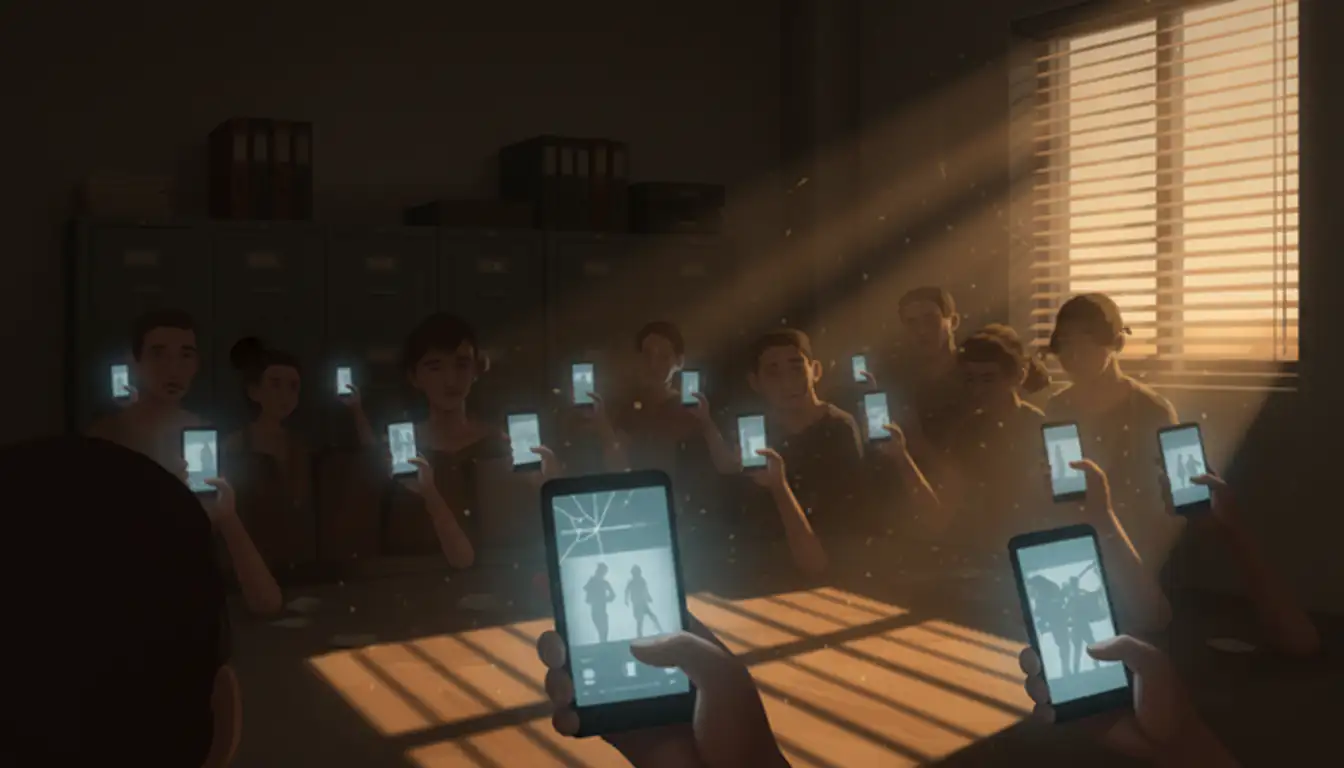
The video hits Instagram via @un_martitodurako8_live_oficial and explodes within forty-eight hours. CiberCuba, Periódico Cubano, CubaHeadlines, TV Azteca all run it. Congress members Carlos Giménez and Mario Díaz-Balart amplify it with hashtags: #SOSCuba, #PatriaYVida. The phrase 'Esto no es una dictadura' becomes instant dark comedy across the diaspora. They are not shocked. They are furious. Because this is what they grew up with, and it is still happening.
The video spread across CiberCuba, Periódico Cubano, CubaHeadlines, and TV Azteca within 48 hours
U.S. Congress members Giménez and Díaz-Balart amplified the clip with #SOSCuba and #PatriaYVida hashtags
For the Cuban diaspora, the teacher's speech was not surprising but infuriating — a confirmation of the indoctrination system many experienced firsthand
The Regime's Script
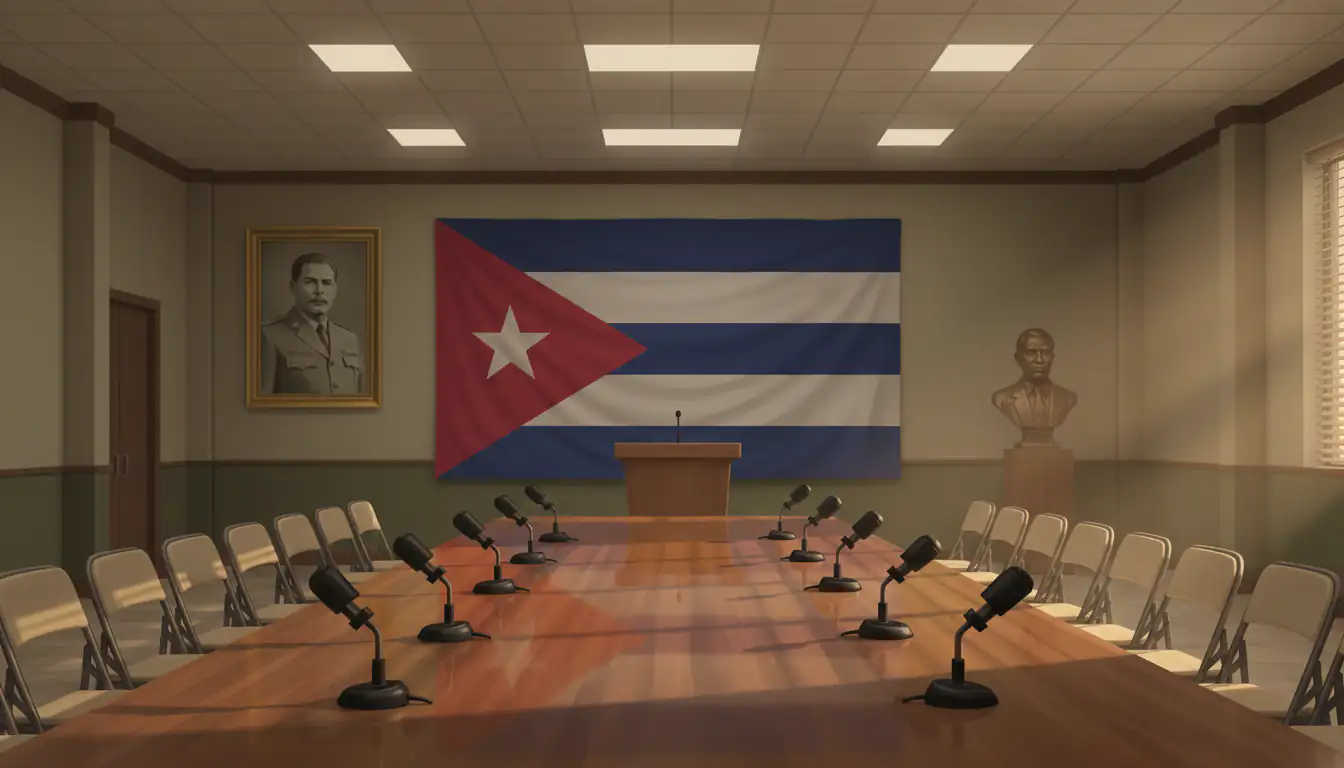
The regime runs its script. State newspaper Invasor and Cubadebate label the Morón protests 'hechos vandálicos' — acts of vandalism. Díaz-Canel issues his statement: complaints are legitimate 'as long as they are expressed with civility,' but 'there will be no impunity for vandalism.' It is the same formula used after the July 11th protests in 2021.
No accountability for the teacher. No official statement about the video. But pro-government accounts publicly identify Kevin Samuel Echeverría Rodríguez — the injured sixteen-year-old — and emphasize he has reached criminal liability age. His current status has not been independently confirmed.
State media labeled the Morón protests 'hechos vandálicos,' the same framing used after the July 11, 2021 protests
Díaz-Canel's response conditioned legitimacy of complaints on 'civility' while threatening consequences for 'vandalism'
Pro-government accounts publicly identified the injured 16-year-old protester and emphasized his criminal liability, while no action was taken regarding the teacher's threats
A Student Speaks Back
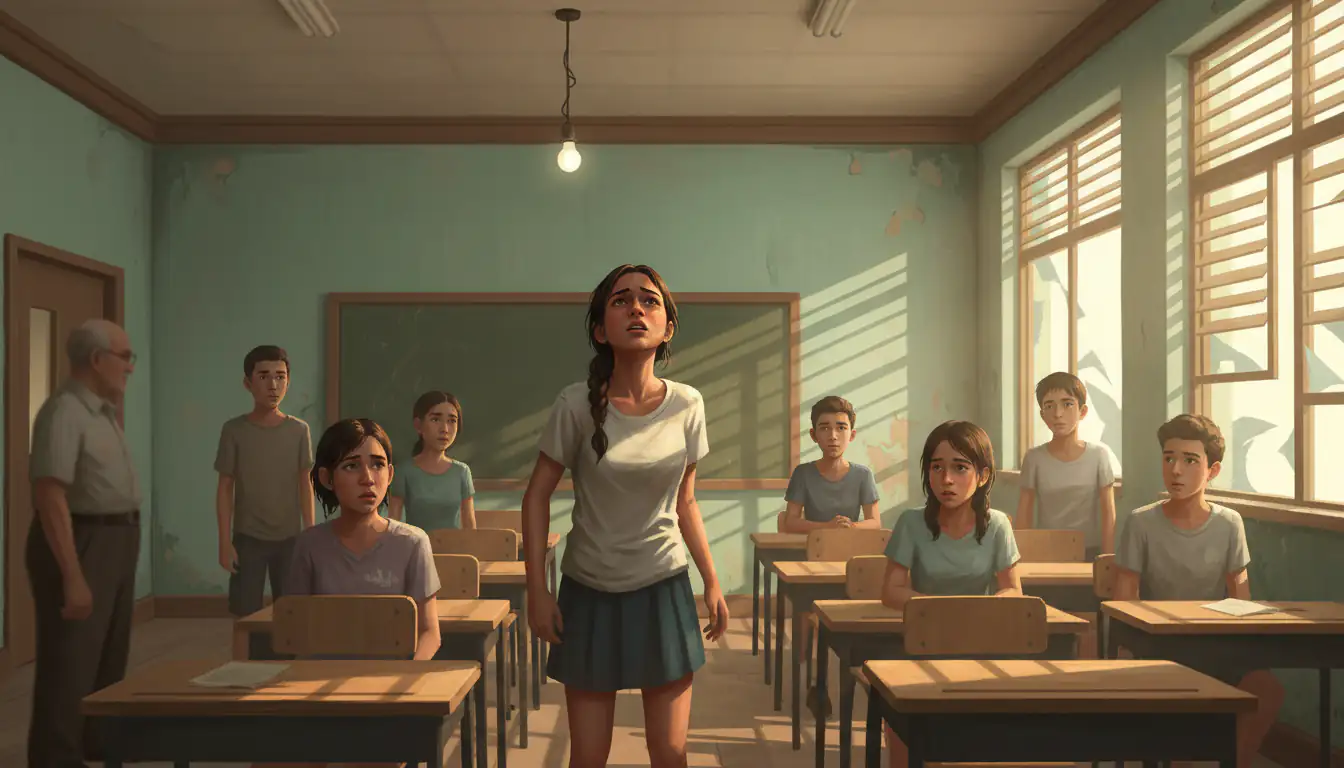
A second clip surfaces. A different classroom. A female student, visibly emotional, confronts a teacher. '¿Sabe lo que es acostarse sin comer nada y tampoco poder dormir en toda la noche a causa del apagón?' Do you know what it is to go to bed without eating anything and not be able to sleep all night because of the blackout? TV Azteca reports she put into words what many Cuban families have been living for a long time.
Journalist Mario J. Pentón amplifies the clip. The teacher in Morón defends conditions she does not live. This student describes conditions she cannot escape. That is the gap the revolution cannot explain.
A separate viral video showed a Cuban student tearfully describing going to bed hungry and sleepless due to blackouts
The clip was covered by TV Azteca and amplified by journalist Mario J. Pentón, reaching international audiences
The juxtaposition of the teacher defending Cuba's conditions and the student describing those conditions exposed the gap between regime narrative and lived reality
26,000 Empty Desks
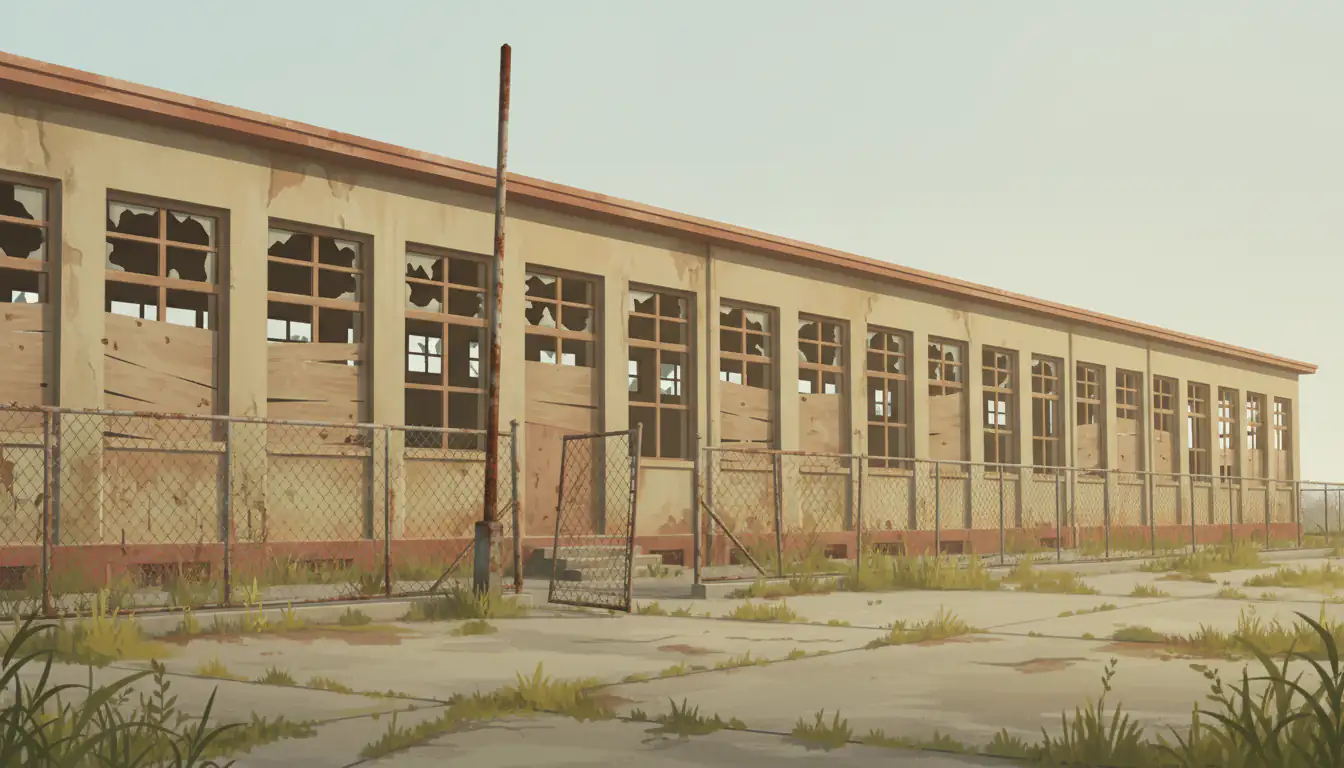
In Camagüey, walk into a technical school and every other classroom has no teacher. Fifty-one percent staffing — one in two positions empty. Across Cuba, it is the same story at different scales. UNESCO confirmed in February 2026: twenty-six thousand vacant teaching positions, over two thousand schools needing urgent support, fuel shortages affecting more than one million students. The deficit has grown relentlessly: ten thousand vacancies in 2022, seventeen thousand in 2023, twenty-four thousand in 2024, twenty-six thousand now. The number of higher education graduates collapsed seventy-four percent between 2012 and 2017, falling from 89,560 to 23,478. The pipeline that produces teachers has itself collapsed.
UNESCO confirmed 26,000 vacant teaching positions in Cuba in February 2026, with 2,000+ schools needing urgent support
The teacher deficit nearly tripled in three years: from ~10,000 (2022) to 26,000 (2026)
National teacher coverage at 84.4%; Camagüey's technical education operates at 51% staffing; higher education graduates fell 74% between 2012-13 and 2016-17
- UNESCO (2026). 'UNESCO calls for international cooperation to support the continuity of education in Cuba'
- CubaHeadlines (2025). 'Cuba's Education Crisis Deepens as Díaz-Canel Suggests Spiritual Care for Teachers'
- CiberCuba (2023). 'Faltan más de 17 mil maestros en escuelas de Cuba'
- CiberCuba (2025). 'More than two thousand teachers are needed in Camagüey'
Why Teachers Leave
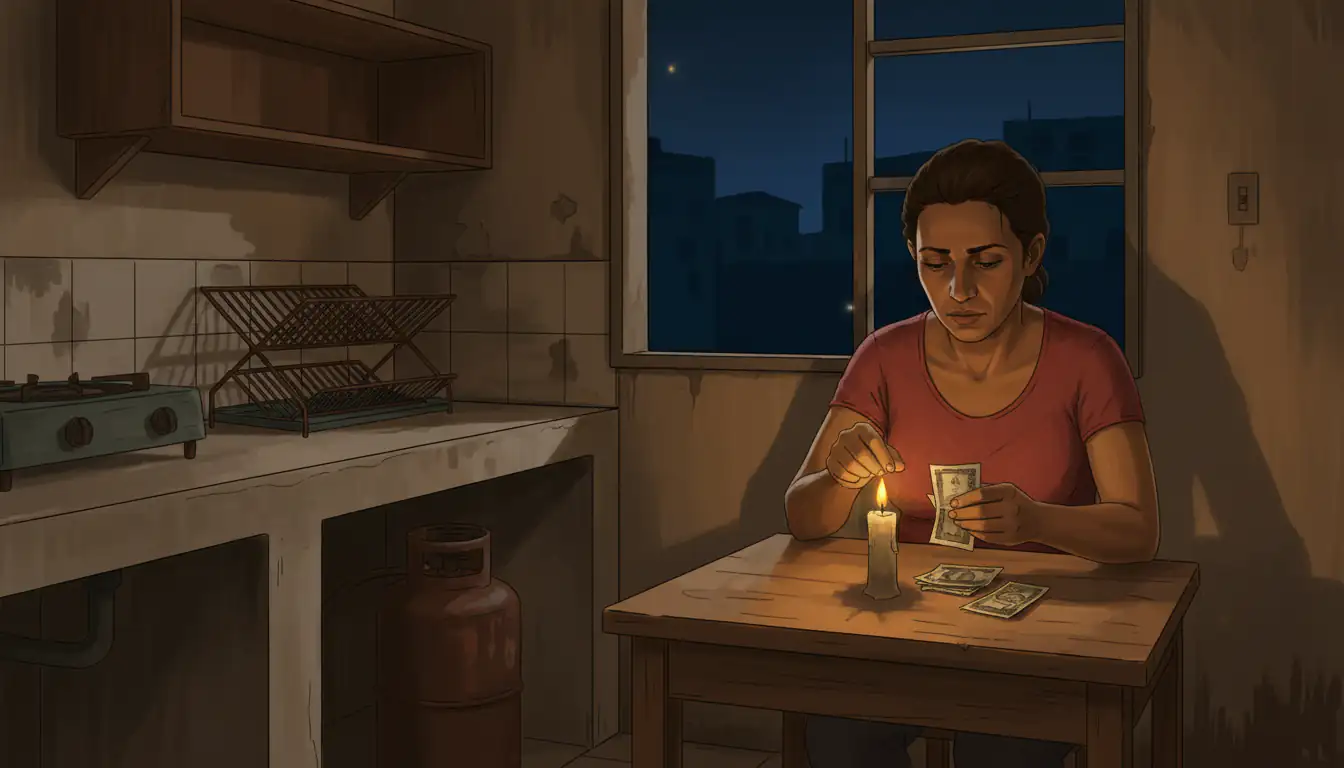
Cuban teachers earn between 2,500 and 3,000 pesos per month. At current exchange rates, that is thirteen to fifteen U.S. dollars. In Mexico, a public school teacher earns roughly four hundred. In Chile, over a thousand.
In Uruguay, around nine hundred. Cuban teachers earn thirty to one hundred times less than their counterparts anywhere else in Latin America. The government's 2025 response was a seniority supplement of 1,000 to 3,000 pesos — between $2.74 and $8.22 per month.
The vice-minister of education admitted the budget could not support a general raise. In Guantánamo province, teachers received burro bananas as a bonus. When emigration surged after 2021, teachers left with everyone else. The system that once held them had one structural advantage: they could not leave. That advantage is gone.
Cuban teachers earn $13-15 USD/month, 65 to 100 times less than teachers elsewhere in Latin America
The government's 2025 salary response was a supplement of $2.74-$8.22 USD/month; in Guantánamo, teachers received bananas as a bonus
The pre-2021 education system depended on captive labor — teachers who could not emigrate; post-2021 emigration destroyed that structural advantage
Schools Without Water
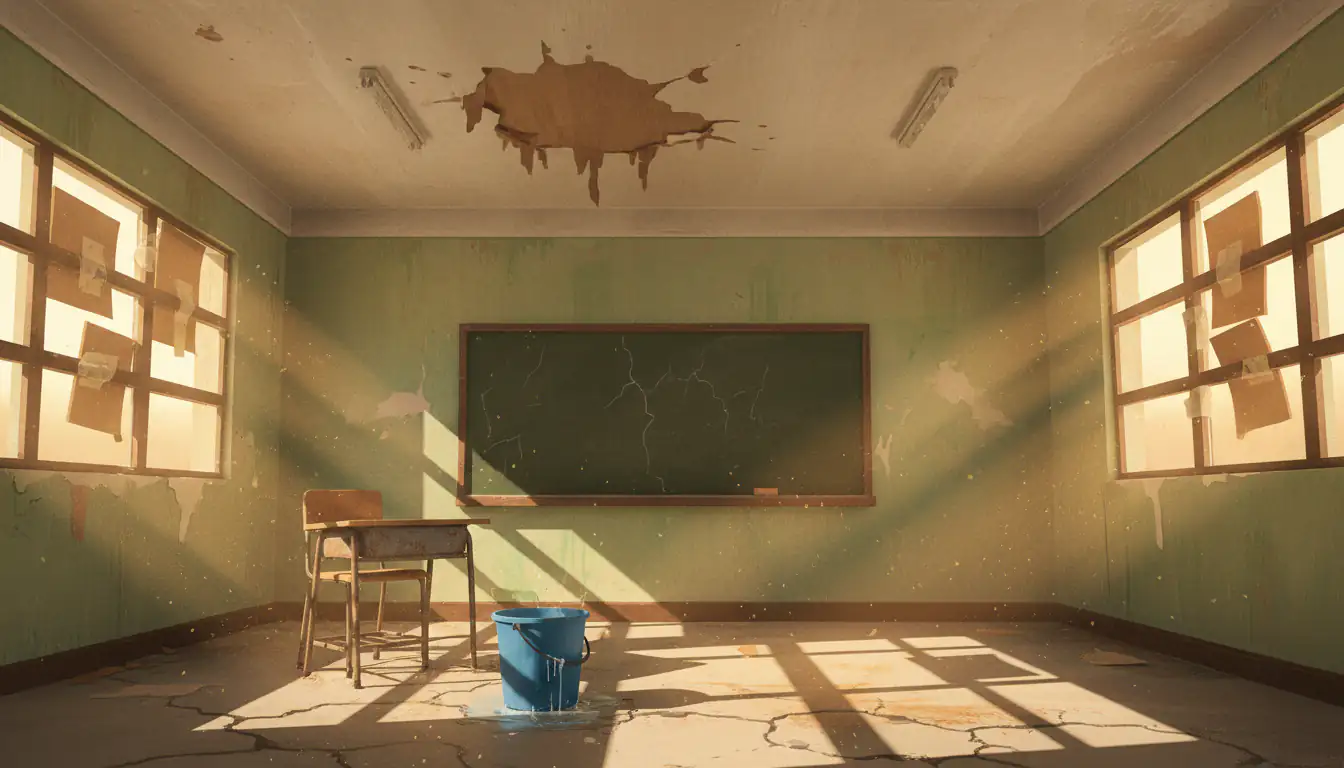
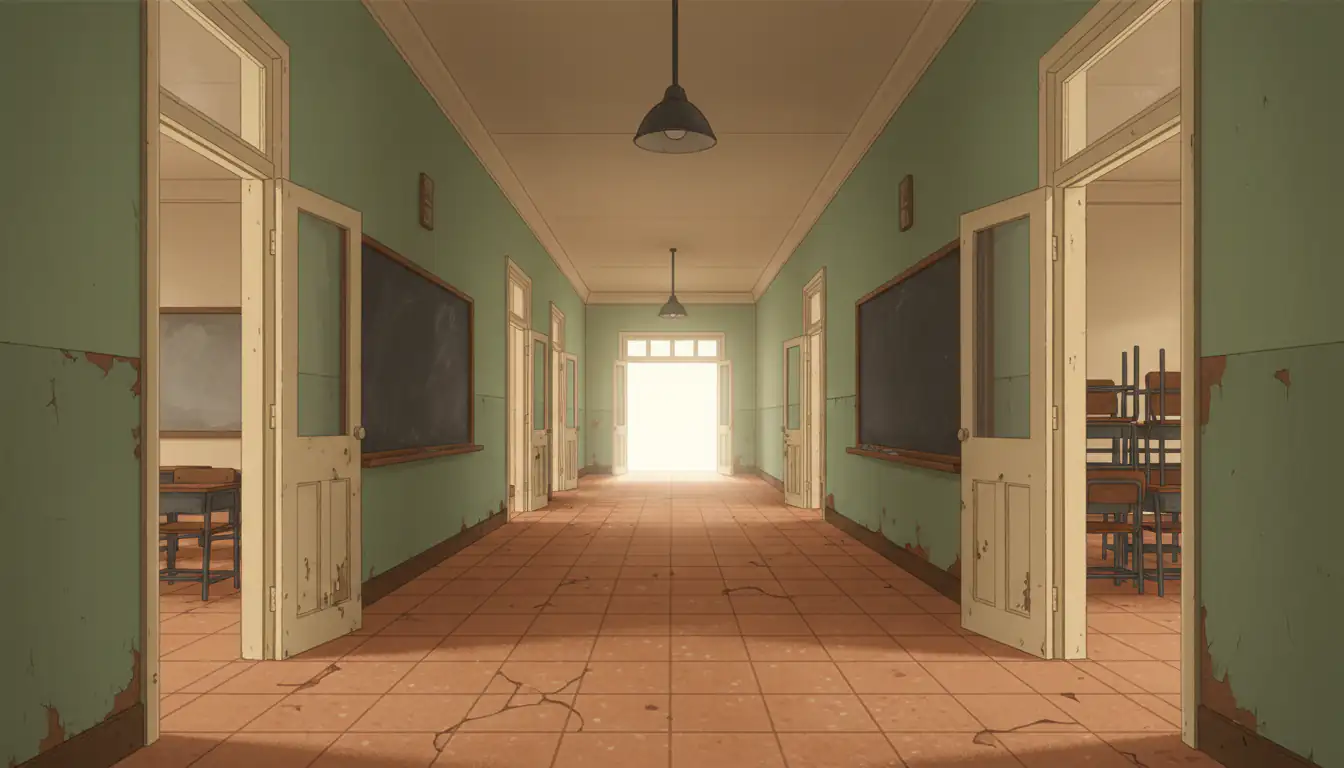
The conditions the teacher in Morón wished on the world: leaking roofs, broken windows, no running water, closed restrooms. In Havana, only ten percent of schools had been repaired by the start of the 2025 school year. A content creator revisited her school in Santa Clara after thirteen years and found ruins. Students receive two pencils from the state. Parents pay 15,000 Cuban pesos — two and a half months' salary — to dress their children for school. With daily blackouts exceeding twenty hours in some provinces, the Higher Institute of Art suspended classes indefinitely. UNICEF, in 2024, included Cuba for the first time in its global report on child food poverty.
Only 10% of Havana schools had been repaired by the 2025 school year; only 2.2M of 3.6M needed uniforms were produced
Parents pay over 5,000 CUP per uniform on the informal market despite 'free' education; students receive two pencils from the state
UNICEF included Cuba for the first time in its 2024 global report on child food poverty; 39% of middle school graduates do not continue education
- Translating Cuba (2024). 'Cuba, Fewer Teachers and More Indoctrination in Schools'
- 100 Noticias (2025). 'La falta de profesores y uniformes marca el inicio del curso escolar 2025-2026 en Cuba'
- CiberCuba (2025). 'Cuba starts the school year with power outages'
- Havana Times (2025). 'Cuba With Little Food or Electricity = School Absenteeism'
- CiberCuba (2025). 'Secondary School in Holguín in Critical Conditions'
Indoctrination Never Stops
No pencils. No textbooks in some provinces. No teachers in half the classrooms in Camagüey. No water. No food.
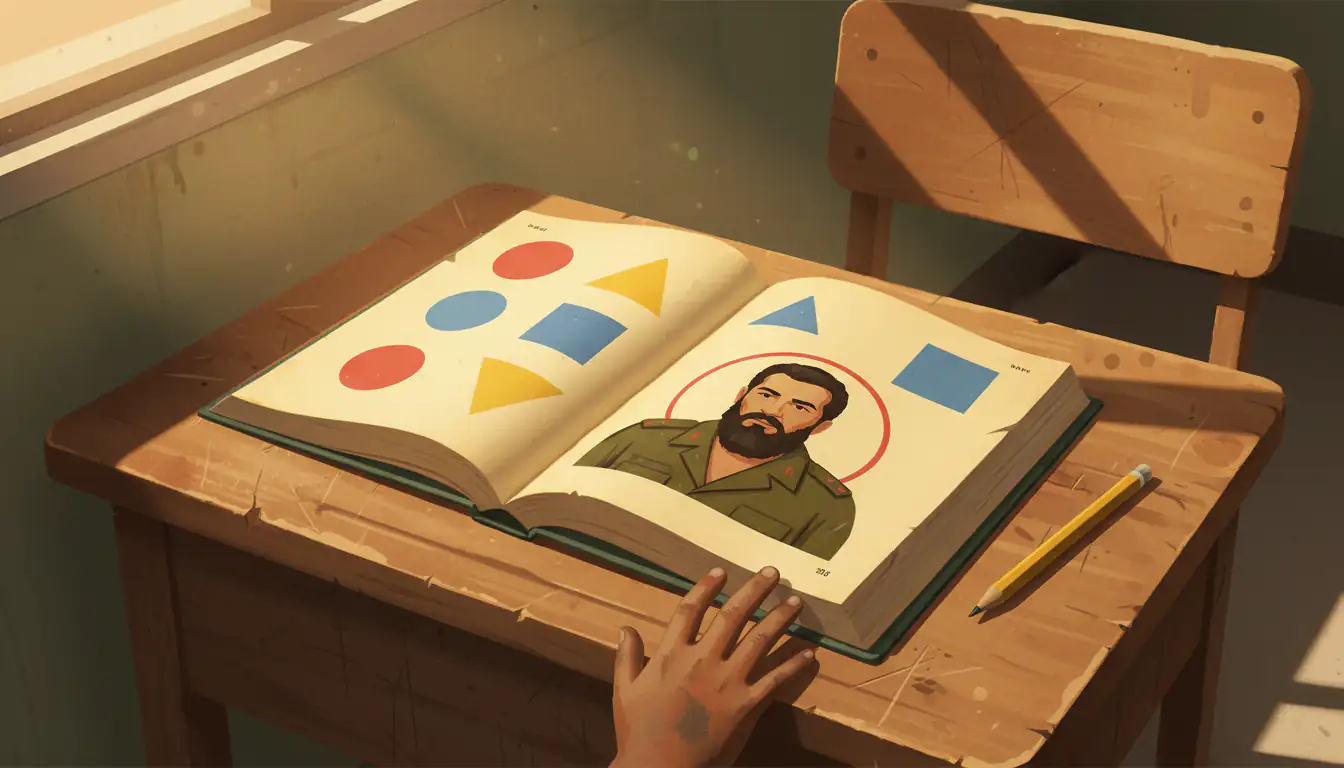
But every morning, without fail: 'Pioneros por el comunismo, ¡Seremos como el Che!' First-grade math textbooks from 2023 use images of Fidel Castro to teach geometric shapes. In September 2025, schools across Cuba forced students to sign declarations of support for Nicolás Maduro. The human rights organization Cubalex called the school system 'a political control instrument' and the forced campaigns 'psychological violence against minors.' Psychologist Sergio Llanes put it plainly: 'Cuban schools don't educate, they don't teach citizenship or coexistence, just ideology.'
First-grade math textbooks from 2023 use Fidel Castro images to teach geometric shapes; the Pioneer oath is recited daily
In September 2025, Cuban schools forced students to sign declarations supporting Maduro; Cubalex documented threats against refusers and called the system 'a political control instrument'
Psychologist Sergio Llanes assessed that 'Cuban schools don't educate, they don't teach citizenship or coexistence, just ideology'
- CiberCuba (2025). 'Indoctrination to the extreme: this is how first-grade children are taught mathematics in Cuba'
- CiberCuba (2025). 'Cuban schools impose signatures of support for the Venezuelan regime'
- CiberCuba (2025). 'Cubalex denounces that the regime is using children and adolescents as instruments of propaganda'
- Martí Noticias (2025). 'Incidente violento en escuela de Las Tunas revela un problema mayor, advierte psicólogo'
What the System Used to Be
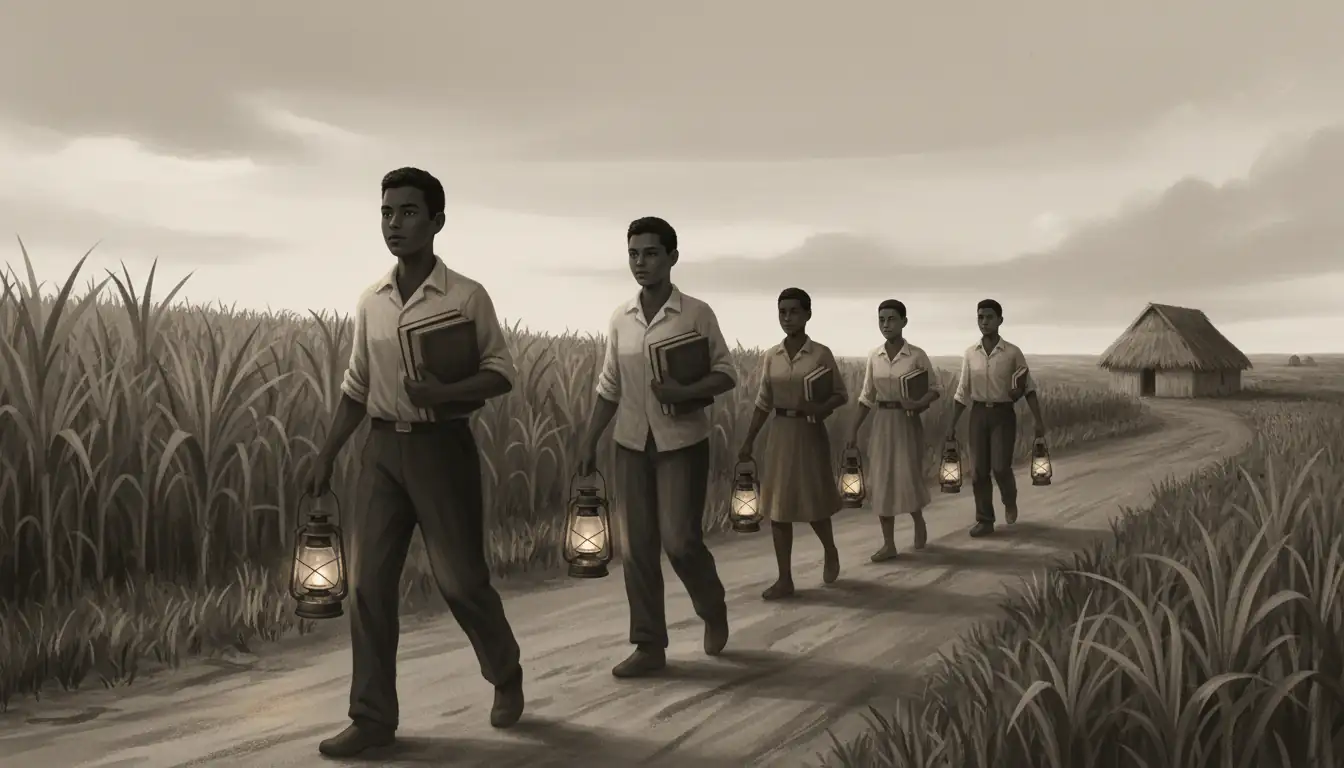
The revolution's education record was real. The 1961 Literacy Campaign mobilized over 250,000 volunteers and reduced illiteracy from roughly 23% to under 4% in a single year. A 1998 UNESCO study found Cuban students scored significantly above the regional average. At its peak, Cuba spent fourteen percent of GDP on education — among the highest rates in the world. Díaz-Canel opened the 2025 school year calling education 'one of the most beautiful and vital achievements of the Revolution,' at a school Fidel Castro himself inaugurated fifty years ago.
But that system depended on a structure that no longer exists: captive labor. Teachers who could not emigrate, in a closed economy where thirteen dollars a month was survivable because there was nowhere else to go. After 2021, when emigration surged, the structure collapsed. The achievement was real. The conditions that produced it are gone.
Cuba's 1961 Literacy Campaign reduced illiteracy from ~23% to under 4%; a 1998 UNESCO study showed Cuban students scoring significantly above regional averages
Cuba's education spending peaked at ~14% of GDP, among the highest globally
The system's historical success depended on captive labor — teachers who could not emigrate in a closed economy; post-2021 emigration destroyed this structural foundation
Why It Cannot Be Fixed
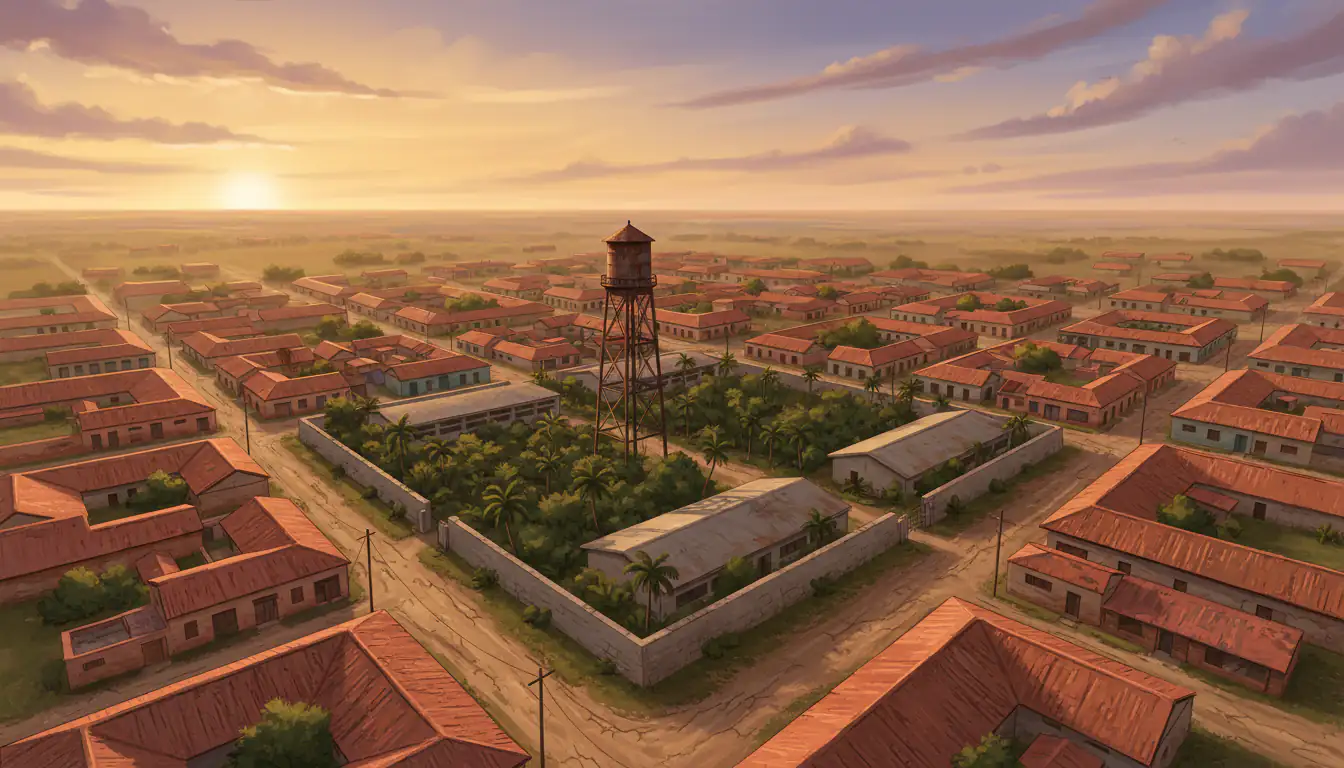
Reversing this collapse would require things the regime cannot provide without changing what it is. Teacher salaries competitive enough to stop emigration would mean multiplying the education budget many times over in an economy that cannot keep the lights on. Ending indoctrination would mean surrendering the school system's political function, which the regime considers non-negotiable. Reopening schools to independent assessment would mean admitting the scale of the failure. The government's actual 2025 proposal was what Díaz-Canel called 'spiritual, emotional, and material attention' for teachers.
The vice-minister of education admitted the budget cannot support a general salary increase. The gap between what is needed and what is offered is not a policy failure. It is a structural impossibility within the current system. The regime cannot fix the schools without undermining the controls that keep the regime in place.
Competitive teacher salaries would require multiplying the education budget in an economy experiencing systemic energy and fiscal crises
Ending ideological control of the curriculum would mean surrendering the school system's political function, which the regime treats as non-negotiable
Díaz-Canel's proposed solution — 'spiritual, emotional, and material attention' — reflects the structural impossibility of reform within the current system
The Generational Rupture
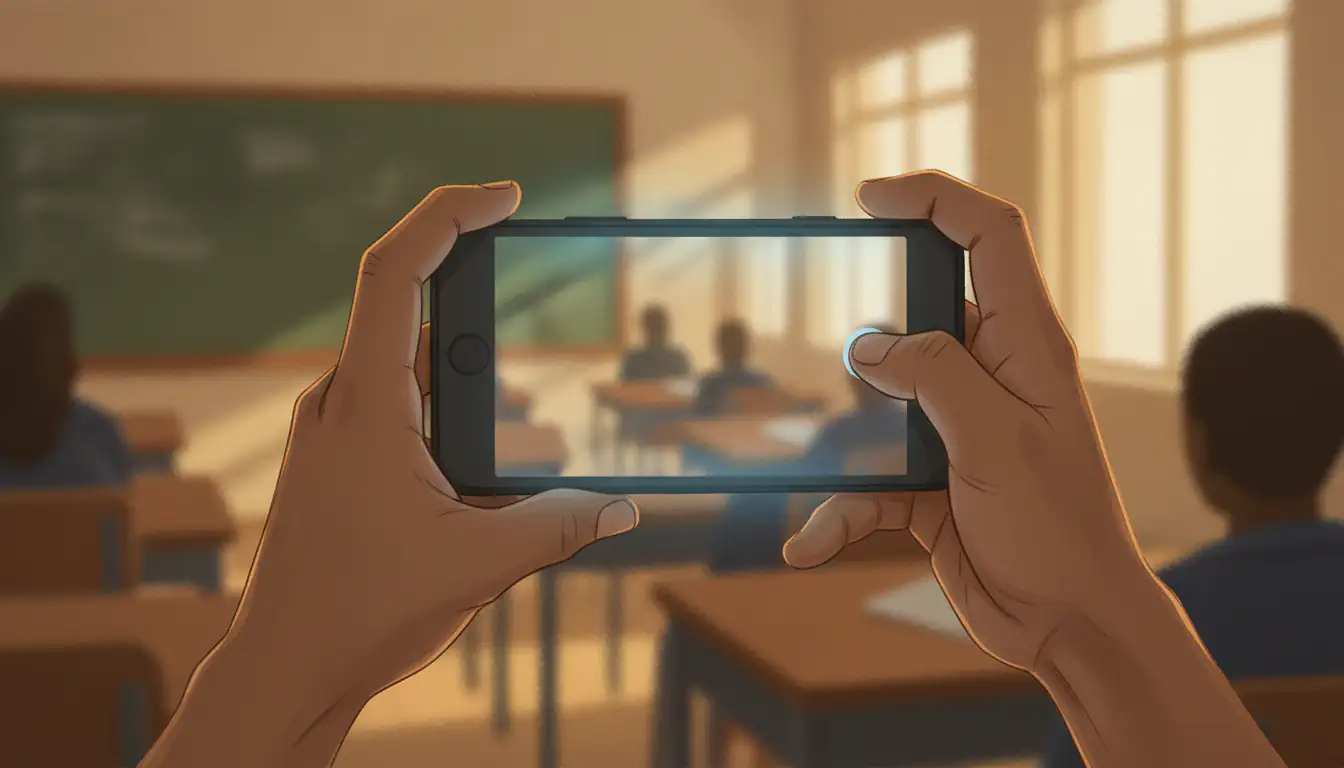
Something has shifted. The teacher in Morón delivered the regime's script. A student recorded it and posted it to Instagram. Within forty-eight hours it was international news. At a different school, in a different city, the student who cried about hunger did the same. In November 2025, a physical fight broke out between a teacher and student in Artemisa.
In September, a school director was filmed screaming at teachers on the first day of classes. These videos are not accidents. Cuban students are documenting the system's failure in real time, on the same phones the regime cannot afford to give them. The generational transmission of ideology requires a minimum of credibility. When a teacher in one school wishes these conditions on the world while a student in another cannot eat dinner, that credibility is zero.
Cuban students are systematically documenting the education system's collapse through smartphone video, creating a counter-narrative the regime cannot control
Multiple viral incidents in 2025-2026 — teacher-student fights, directors screaming at staff, the Morón clip — show the breakdown of institutional authority
The regime's ideological transmission requires credibility; when material conditions contradict the message, the generational compact breaks
Three Trajectories
It is already happening. Education is privatizing along remittance lines: families who receive dollars hire tutors, families who don't simply lose access. The teacher deficit will cross thirty thousand. More schools will close. UNESCO's February call for international cooperation signals how far the crisis has gone, but aid requires the regime to accept external oversight it has historically refused.
And the students who recorded the Morón teacher and the hungry student are the first generation of Cubans who can broadcast the gap between ideology and reality to a global audience instantly. The regime has no strategy for this. It has directives it can delete and teachers it can send. It does not have an answer.
Continued decay trajectory: teacher deficit exceeds 30,000, education functionally privatizes along remittance lines, deepening inequality
UNESCO's February 2026 call for international cooperation signals crisis severity, but regime resistance to external oversight limits aid effectiveness
The generational rupture — students documenting systemic failure in real time — represents a structural challenge the regime has no strategy to counter
Two Silences
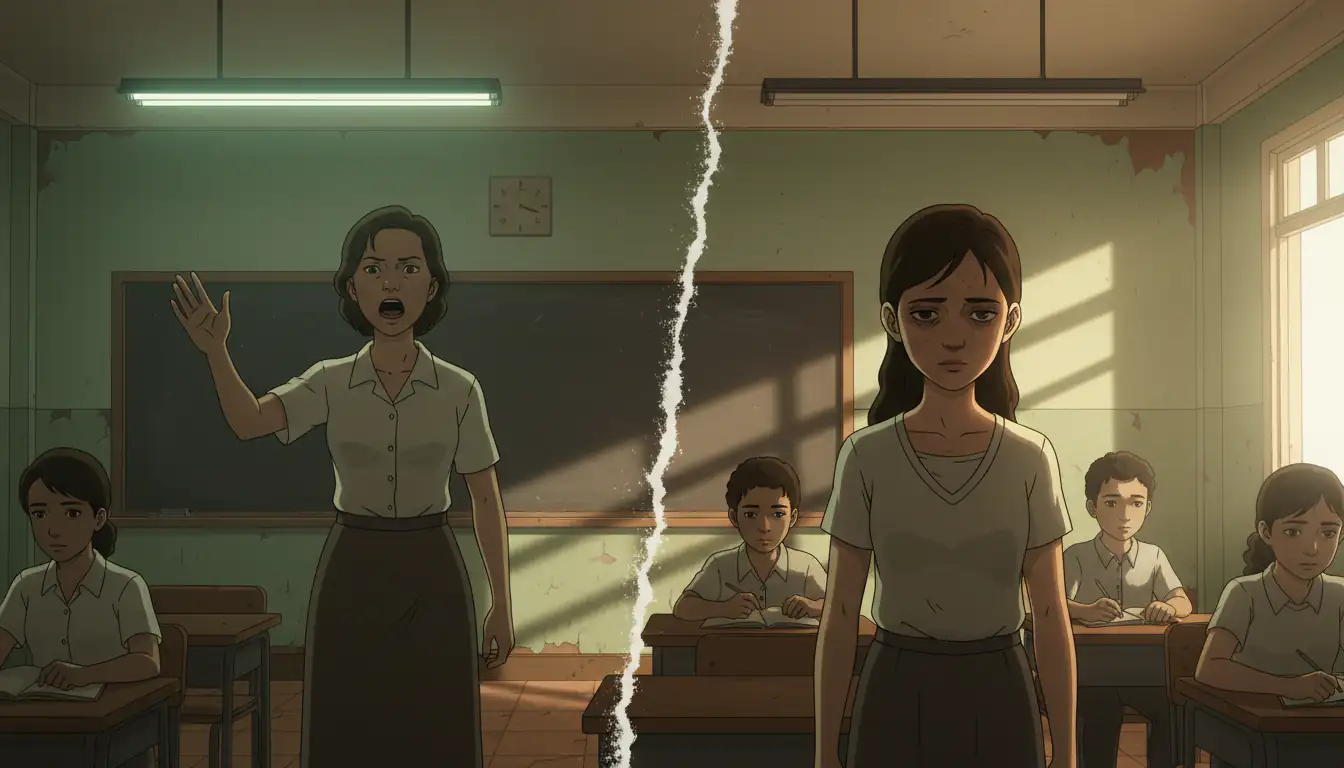
The teacher in Morón could not explain what system Cuba has after insisting it is not a dictatorship. She said socialism. She said not a dictatorship. She could not say what it is. At a different school, in a different city, a student could not explain what she ate for dinner. There was no dinner. Between those two silences is the entire story of Cuban education in 2026.
Twenty-six thousand teachers are missing. The ideology is not. The schools have no water, no food, no glass in the windows, no staff in half the classrooms. But every morning, the children who show up still recite: 'Pioneros por el comunismo, ¡Seremos como el Che!' The revolution's greatest achievement is now its most visible failure. And the students are filming.
The teacher's inability to define Cuba's political system and the student's inability to describe her last meal represent the two poles of the education crisis
26,000 teaching positions are vacant but political indoctrination programming continues without interruption
The revolution's historical claim to educational excellence has become its most documented failure, recorded by the students themselves
- Periódico Cubano (2026). 'Mira cómo una profesora de Morón intentó convencer a sus alumnos de que Cuba no es una dictadura'
- CubaHeadlines (2026). 'Students Speak Out in Class, Highlighting Hunger and Hardships Faced by Cuban Families'
- UNESCO (2026). 'UNESCO calls for international cooperation to support the continuity of education in Cuba'
Viva Cuba Libre
Twenty-six thousand teachers are missing. The ideology is not. Morón, Cuba. March 2026.
26,000 vacant teaching positions as of February 2026 per UNESCO; political indoctrination infrastructure remains fully operational