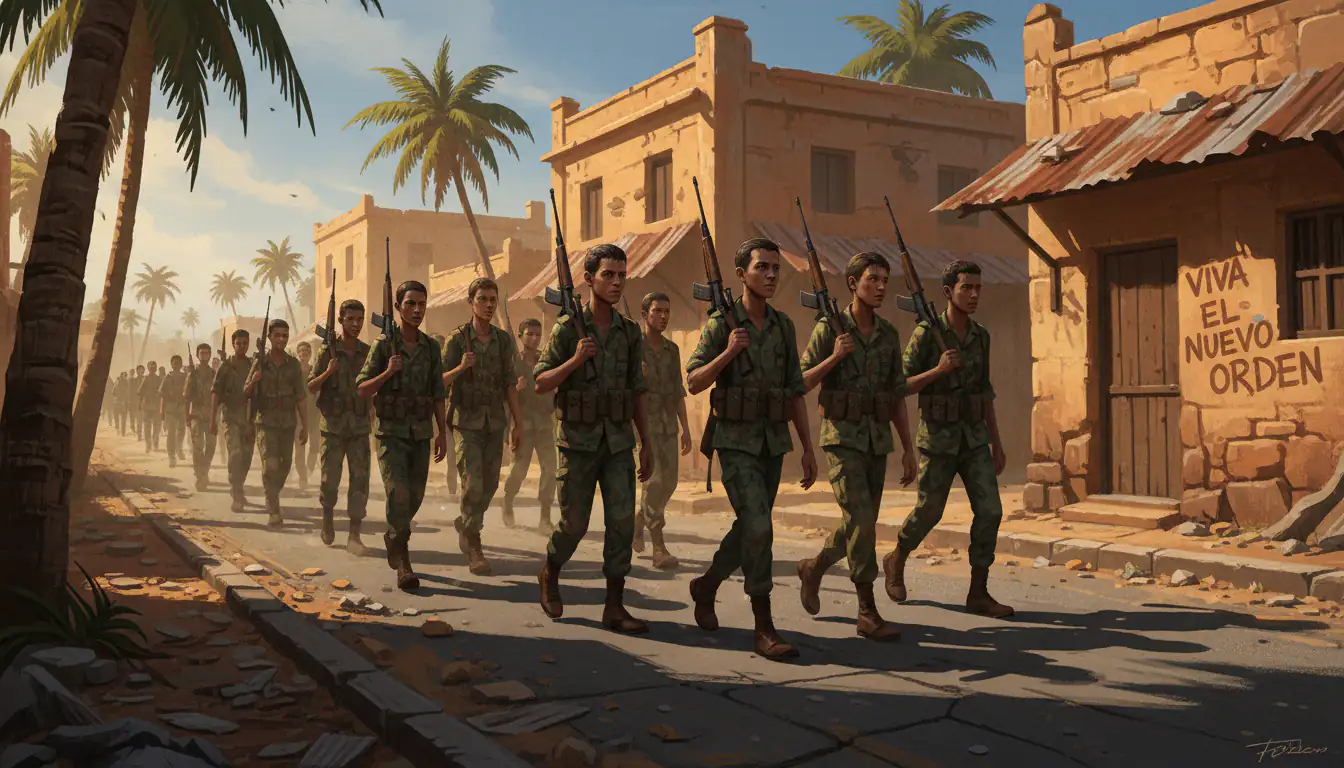
54 Dead Teens, 0 Investigations · Cuba's Mandatory Military Service
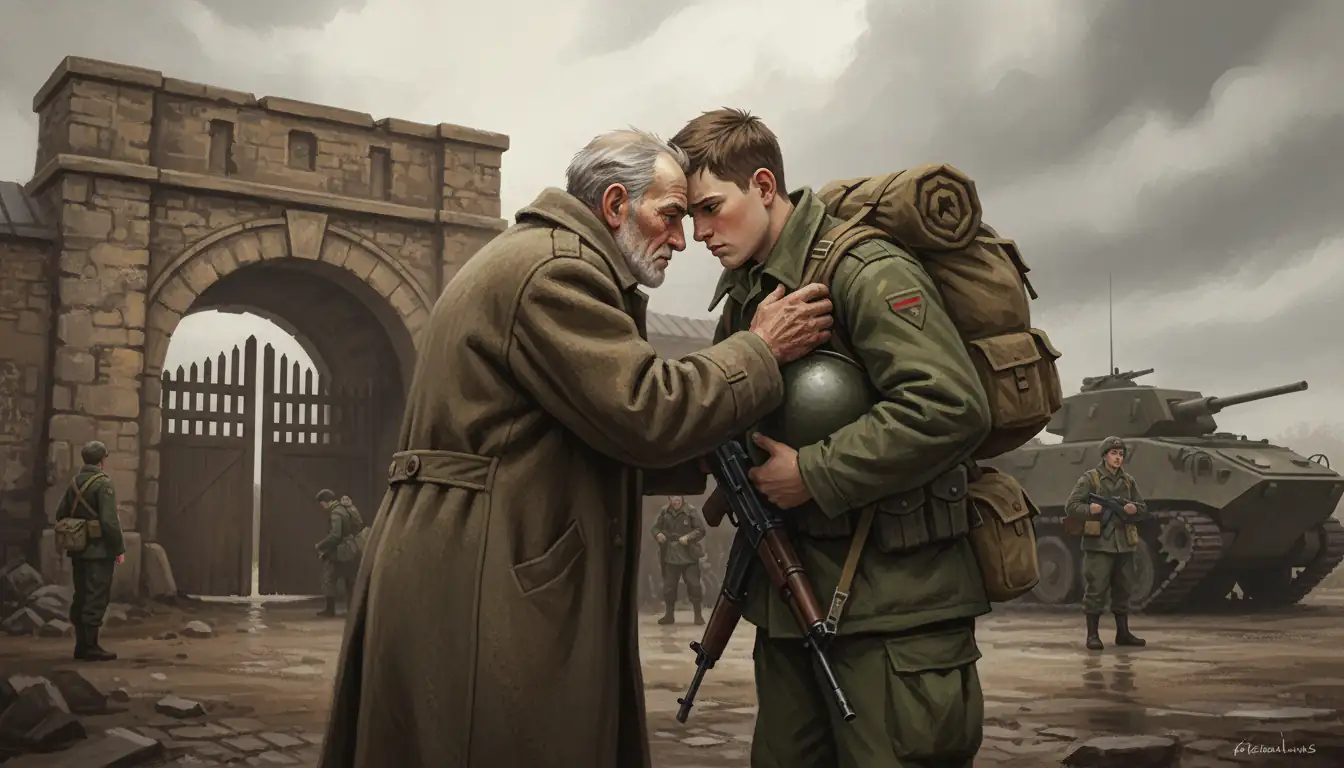
Dailier Rodríguez Tamayo was 19. A military doctor ordered that he not carry weapons. Officers handed him a loaded gun. He used it. Cuba's mandatory military service has killed at least 54 documented young men — through suicide, explosions, and neglect — with zero investigations and zero accountability. The only countries with a comparable system are North Korea and Eritrea. This episode follows one boy's story to expose a machine that treats teenagers as state property, pays them a dollar a month, and says nothing when they die.
The Phone Call
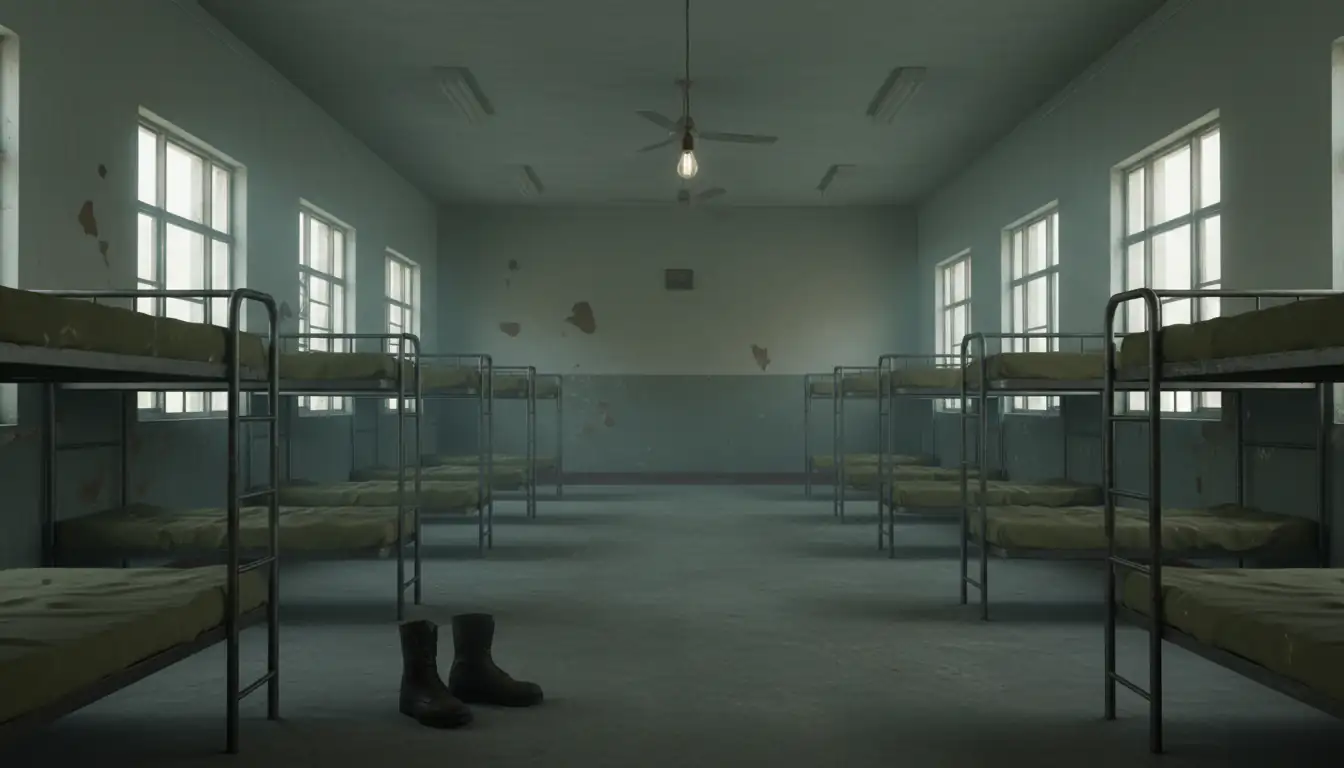
Dailier Rodríguez Tamayo is nineteen years old. He calls his mother from Military Unit 10-24 in El Cotorro, Havana. He tells her he didn't eat today — he preferred to sleep a little. His calls have been getting shorter. Officers are limiting his phone time. A doctor at the Naval Hospital has examined Dailier and written a specific order: this conscript should not carry weapons and should not be subjected to stress.
On the morning of March 16, 2026, officers at Unit 10-24 hand Dailier a loaded gun. He uses it. He is dead before his mother learns anything has happened. The Ministry of the Revolutionary Armed Forces does not issue a statement. No autopsy results are shared with his family. No investigation is announced.
Dailier Rodríguez Tamayo, 19, died by suicide with a service weapon at Military Unit 10-24 in El Cotorro, Havana, on March 16, 2026
A Naval Hospital doctor had ordered that Dailier not carry weapons or be subjected to stress; officers gave him a loaded gun
MINFAR issued no statement, shared no autopsy, and announced no investigation

The Law That Put Him There
How does a teenager with a documented psychological condition end up holding a loaded weapon? Ley No. 75, Cuba's National Defense Law, enacted in 1994, requires every male aged seventeen to twenty-eight to serve two years of active military duty. Registration is compulsory at sixteen, coordinated through schools and the Union of Young Communists. The 2019 Constitution explicitly prohibits conscientious objection — Article 54 states it cannot be invoked to evade the law. There is no alternative service.
No appeal. As recently as March 2026, military officials told a pastor's twenty-three-year-old son in Santiago de Cuba he could be taken at nighttime, at dawn, whatever. Once inducted, Article 53 of Ley 75 places conscripts under exclusive military jurisdiction — tried by military tribunals. No legal mechanism exists for a parent to remove their child from service. Monthly pay: three hundred twenty Cuban pesos. At market exchange rates, that is one dollar and thirteen cents.
Ley No. 75 (1994) mandates two years of military service for all males aged 17-28, with compulsory registration at 16
The 2019 Constitution's Article 54 explicitly prohibits conscientious objection; Article 53 places conscripts under exclusive military jurisdiction with no family recourse
Monthly conscript pay is 320 Cuban pesos — $1.13 at market rates
- Ley No. 75, Ley de la Defensa Nacional (1994) — RESDAL archive
- Constitution of the Republic of Cuba (2019), Articles 53 and 54
- CSW (March 2026) — David Rosabal Cabrera case
- CubaxCuba — 'property of the FAR' testimony
Property of the FAR
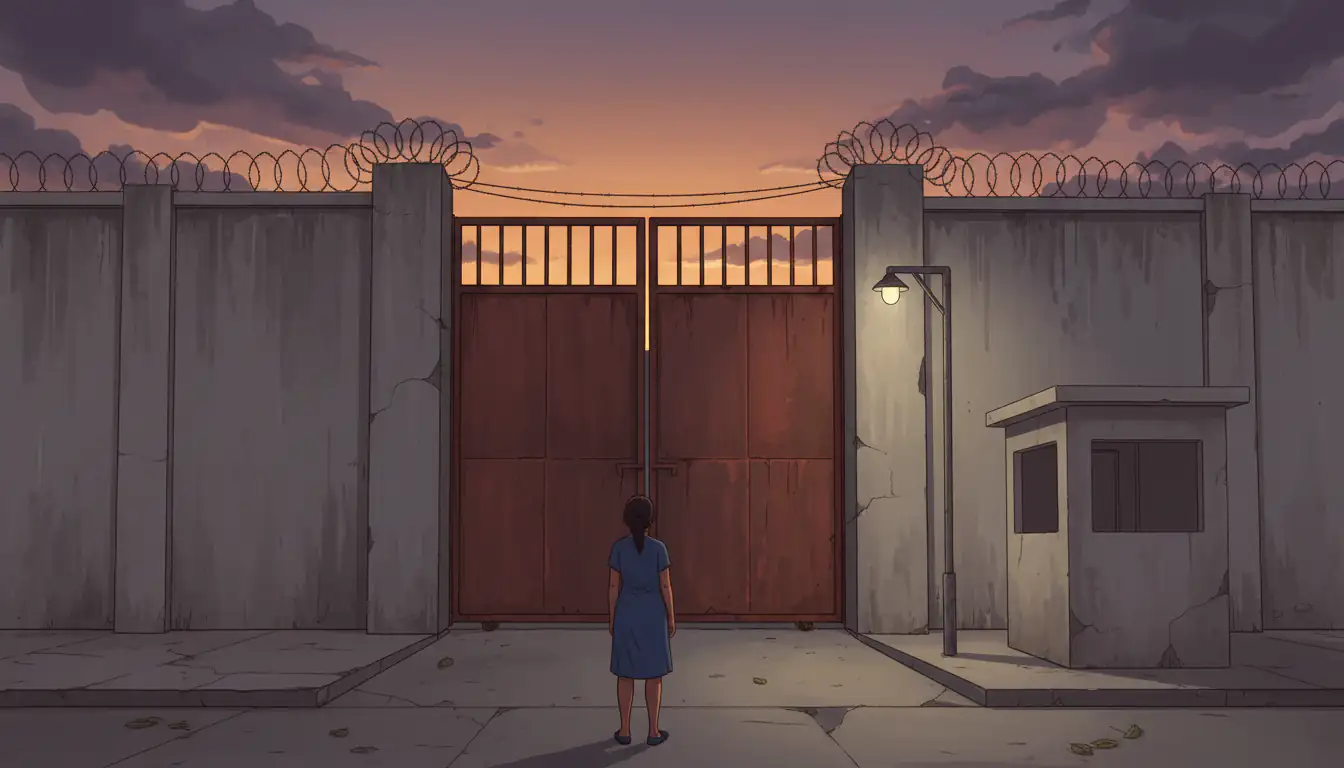
What does exclusive military jurisdiction mean in practice? Former conscripts describe it consistently. Roides Javier Cruz says officers told recruits that while serving, they are the property of the FAR — and they are your owners. At induction, officers tell families: your sons are no longer your sons, now they belong to the Revolutionary Armed Forces. Conscripts are stationed far from home. Phone calls are at commanders' discretion.
When Dailier's calls got shorter, his mother Yaimi had no one to call. No office to visit. No legal standing to intervene. When conscripts die, families receive no medical reports, no autopsy results, no investigation findings. Yaimi Tamayo León learned what happened to her son the way every Cuban military mother learns — through rumor, through other conscripts, through the absence of a phone call that was already getting shorter.
Former conscripts report officers explicitly telling recruits they are 'property of the FAR' during service
Families lose all legal standing over their children upon induction; phone access is at commanders' discretion
When conscripts die, families receive no medical reports, no autopsy, and no investigation findings

The Pattern
Dailier is not the first. Independent organizations documented at least fifty-four conscript deaths through mid-September 2023. Cubalex documented at least nineteen more in 2025 alone. The mechanism repeats. Annier González, eighteen years old, shot himself thirteen days into guard duty in July 2021. He had already attempted to hang himself days earlier.
Officers did not intervene and did not inform his parents. Maikol Arcia Hernández — his grandfather warned the commanding captain three months before Maikol's death that the boy was threatening to kill himself. The captain called it mischief. Then assigned Maikol to guard ammunition with a loaded weapon. In January 2025, the Holguín ammunition depot explosion killed at least nine conscripts. Bodies were never recovered.
The government declared the dead valiant and selfless — and never searched for their remains. In every documented case, the response is the same: silence. No report. No investigation. No accountability.
At least 54 conscript deaths were documented through mid-September 2023; Cubalex documented at least 19 more in 2025
Annier González (18) and Maikol Arcia Hernández died by suicide with service weapons after the military ignored explicit warnings — a repeating pattern
The January 2025 Holguín ammunition depot explosion killed at least nine conscripts whose bodies were never recovered; no investigation was conducted

One Line on the World
Roughly fifty to sixty countries enforce mandatory military service. Most offer conscientious objection, meaningful pay, independent oversight, and legal recourse for families. The combination that defines Cuba's system — no objection rights, negligible pay, zero transparency, exclusive military jurisdiction, no family recourse, no investigation of deaths — is shared by exactly two other countries: North Korea and Eritrea. The International Labour Organization has ruled that Cuba's Youth Labour Army violates the Convention on Forced Labour. The U.
S. State Department classifies Cuba at Tier 3 — its worst rating — for state-sponsored human trafficking. Cuba signed the International Covenant on Civil and Political Rights in 2008. It has never ratified it.
Only North Korea and Eritrea share the full combination of characteristics that define Cuba's conscription system
The ILO has ruled Cuba's Youth Labour Army violates the Convention on Forced Labour; the U.S. classifies Cuba at Tier 3 for human trafficking
Cuba signed the ICCPR in 2008 but has never ratified it
Mercedes Roque
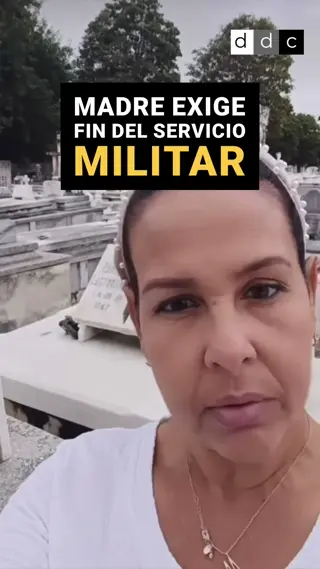
In August 2025 — seven months before Dailier — another mother got the same phone call. Mercedes Roque's son, Antonio Alejandro Ressi Roque, was eighteen years old. He died during military service. Mercedes Roque has spoken publicly about what happened to her son.
Antonio Alejandro Ressi Roque, 18, died during military service in August 2025 — seven months before Dailier, establishing a repeating pattern
Mercedes Roque's public testimony is the only moment in the episode where a voice other than the narrator is heard — the format break is the editorial statement
The Only Reform Is Punishment
The government's response to mounting deaths has been exclusively punitive. Not one reform has addressed conditions, oversight, pay, or transparency. In July 2023, the new Military Penal Code prescribed two to five years' imprisonment for desertion and up to two years for self-harm to avoid service — a conscript who swallows screws to escape can be imprisoned for trying to survive. In October 2024, Decreto 103 extended penalties to anyone over sixteen who helps others evade military duties. That criminalizes parents who try to protect their children. The structural logic is self-defeating: deteriorating conditions drive evasion, evasion prompts harsher penalties, harsher penalties drive emigration. Units that once received eight hundred to nine hundred recruits per intake now see three hundred to four hundred.
Cuba has lost roughly eighteen percent of its population to emigration since 2022. The Servicio Militar Activo is not just failing to defend the country. It is emptying it. Every law discussed in this episode — Ley 75, the Military Penal Code, Decreto 103 — passed without a single dissenting vote in a legislature where no candidate runs opposed and no opposition party exists. No Cuban parent has ever had the option of voting out the officials who designed this system. The only exit is the airport or the sea.
The 2023 Military Penal Code prescribes 2-5 years for desertion and up to 2 years for self-harm to avoid service; Decreto 103 (2024) criminalizes anyone who helps others evade military duties
Recruitment has collapsed from 800-900 per intake to 300-400, driven by a punitive spiral: worse conditions → evasion → harsher penalties → emigration
Cuba has lost roughly 18% of its population to emigration since 2022 — the conscription system is accelerating the demographic crisis it cannot survive
The UN Asks, Cuba Lies
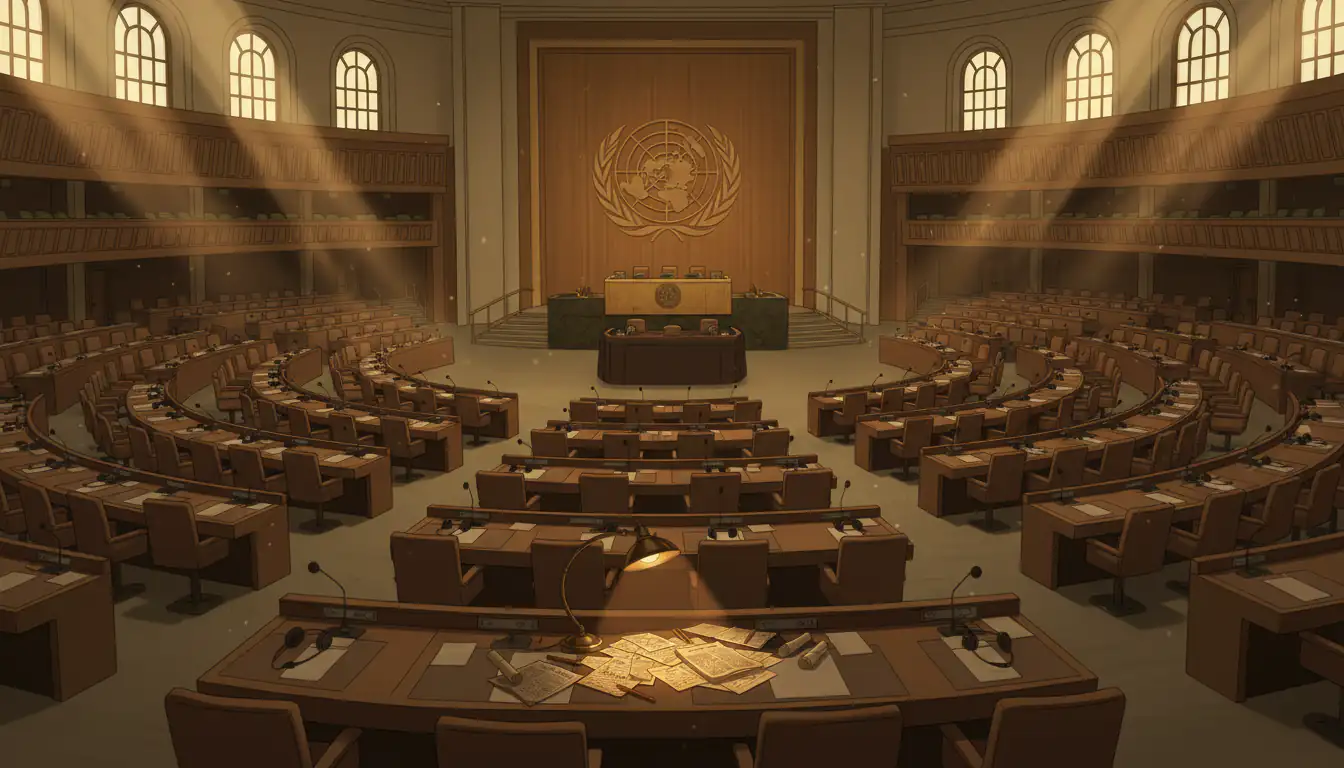
When pressed at the United Nations, the Cuban delegation denied that military service is mandatory. This directly contradicts Cuba's own 2019 Constitution, which establishes the defense of the fatherland as a civic duty. It contradicts Ley No. 75, which mandates registration at sixteen and service at seventeen. And it contradicts the experience of every Cuban family that has received the induction notice. The government's position is not a policy dispute. It is a factual claim that can be checked against the government's own legal texts — and it is false.
Cuba denied military service is mandatory at the United Nations — contradicting its own 2019 Constitution and Ley No. 75
The denial is not a matter of interpretation but a verifiable falsehood checkable against Cuba's own published legal texts
Return to the Barracks
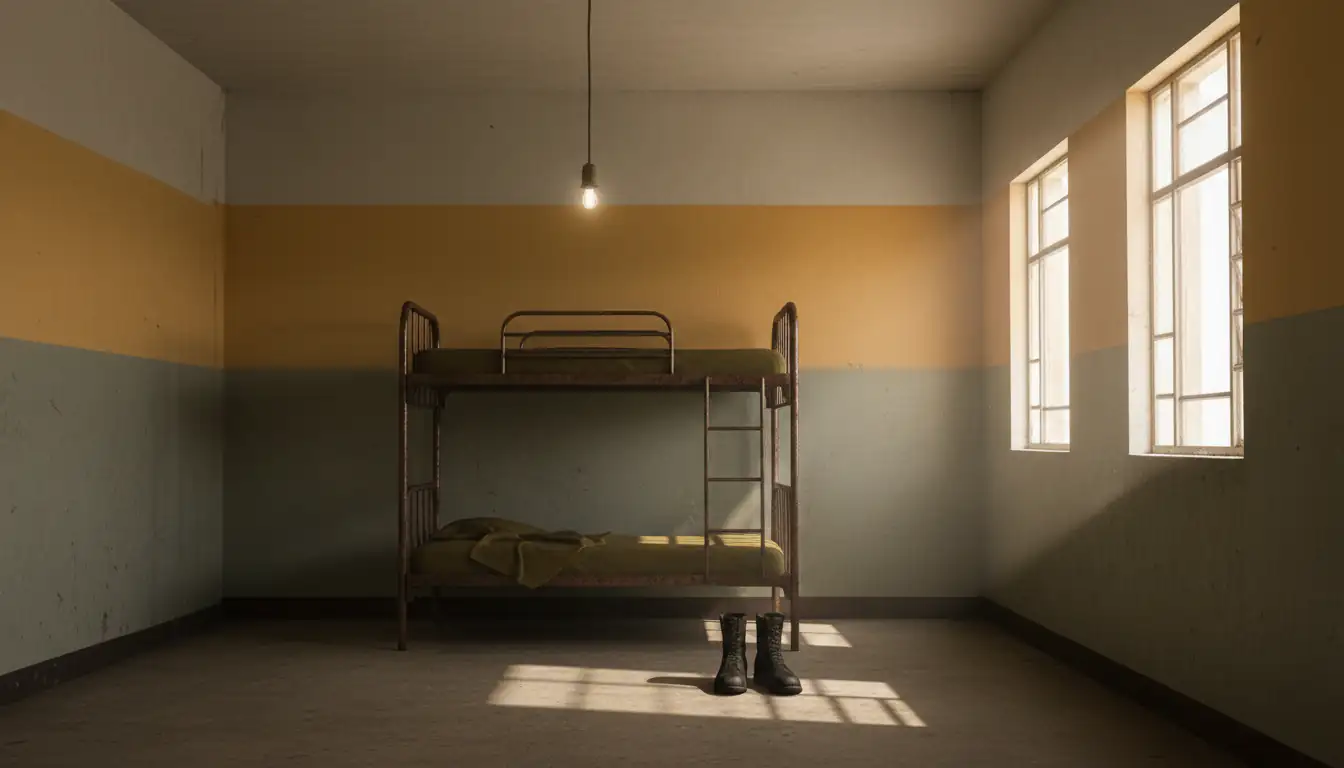
Dailier Rodríguez Tamayo's mother, Yaimi Tamayo León, has no autopsy report. No medical records. No explanation of why her son — whose doctor ordered that he not carry weapons — was handed a gun. No official at Military Unit 10-24 has been named, investigated, or removed.
The only public record of Dailier's life and death exists in independent media reports that the Cuban government blocks inside the island. He was nineteen years old. He called his mother and told her he didn't eat. He preferred to sleep a little.
Yaimi Tamayo León has received no autopsy, no medical records, and no explanation for her son's death
No official at Military Unit 10-24 has been named, investigated, or removed
The only public record of Dailier's death exists in independent media that Cuba blocks domestically
The Property
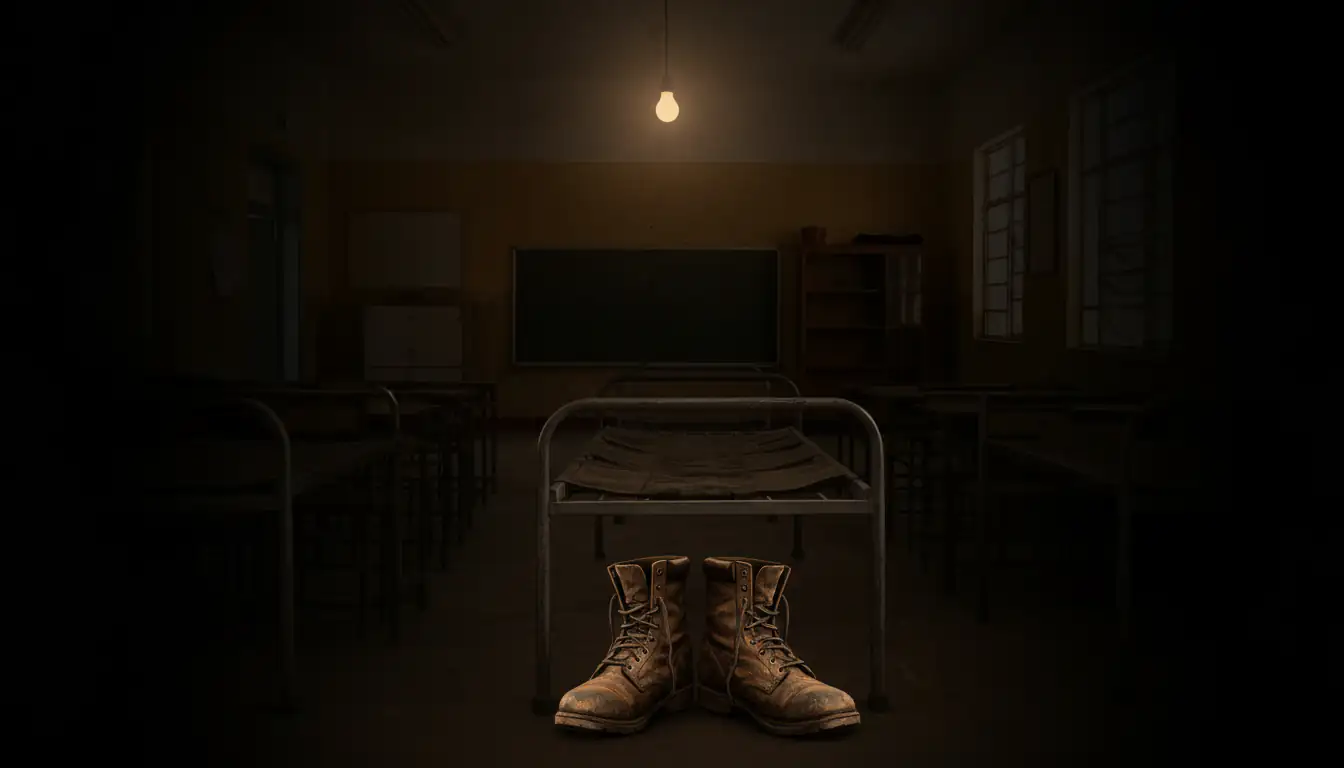
Dailier was, by Cuban law, the property of the Revolutionary Armed Forces. They gave him a gun and he used it. And then they said nothing.
Cuban law designates conscripts as being under the total jurisdiction of the military — functionally, state property with no independent legal recourse
The episode's final framing: the state claimed ownership, armed a boy a doctor said should not be armed, and responded to his death with silence
What You Now Know
Cuba's Servicio Militar Activo is a system where the state takes legal ownership of young men, pays them a dollar a month, places them under exclusive military jurisdiction with no family recourse, and when they die — by suicide, by explosion, by neglect — conducts no investigation and provides no explanation. The only countries with a comparable system are North Korea and Eritrea. The international legal system has named it: forced labor, human trafficking. The Cuban government, when asked, denied it exists — contradicting its own constitution. The system is not stable. It is collapsing under the weight of the emigration it produces.
Summary: Cuba's SMA combines total military jurisdiction, negligible pay, no oversight, no family recourse, and no investigation of deaths — matched only by North Korea and Eritrea
International bodies have classified it as forced labor and human trafficking; Cuba denied mandatory service exists at the UN, contradicting its own laws
The system is self-defeating: its conditions drive the emigration that is hollowing out the conscript-age population
Patria y Vida!
Full sources for everything in this episode — legal texts, independent media reports, international rulings — are linked in the description and at lajutia.com. If you're trying to understand how Cuba actually works, and why people are leaving, watch more of our videos. Patria y Vida!
Direct viewers to full source documentation in description and lajutia.com
Recommend the Cuba dual currency episode as the economic context for the emigration crisis driving SMA collapse