El Cangrejo, Raúl Castro's Grandson · Is Now Running The Country
Cuba's national grid collapsed on July 6, 2026, the third total blackout of the year, the same morning a US newspaper published the first interview ever given by El Cangrejo, Raúl Castro's grandson and head of his personal security since 2016. He holds no elected office, yet he offered to negotiate with Washington and said he wakes each day pained that Cubans cannot live as he does, this from a man who wears a Rolex and has taken 23 private flights to Panama while the average state salary runs about 16 USD a month. No Trump official has spoken directly with Díaz-Canel; they have spoken with him, confirming that in the régimen cubano, power sits with the family that guards it, not the presidency.
Two Things on July 6
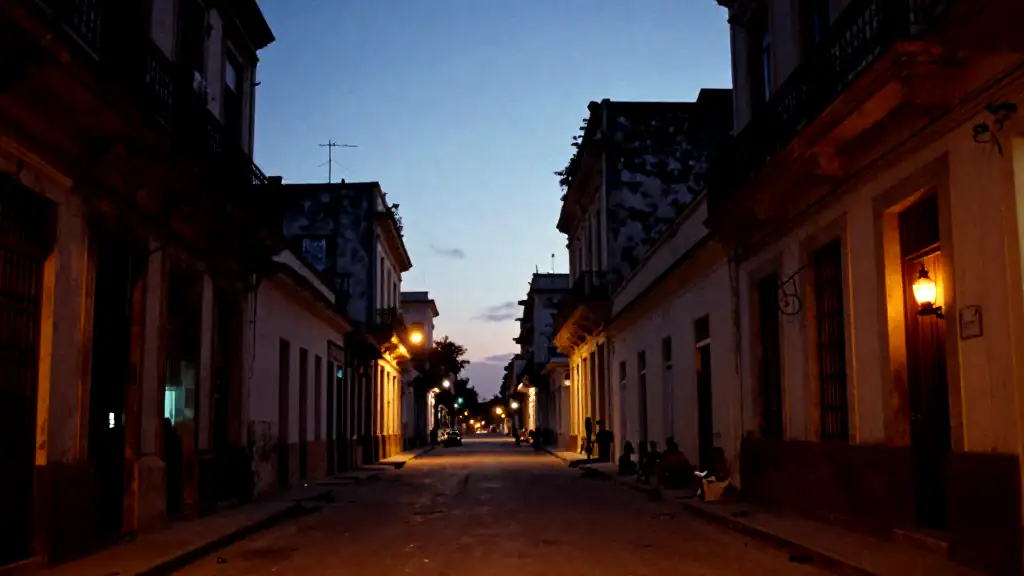
On July 6, 2026, the lights went out across all of Cuba. The national grid collapsed at midday. It was the third total blackout of the year. Families cooked by candlelight in the heat. That same morning, an American newspaper published something strange. A Cuban colonel had given his first interview to a US outlet.
He offered to negotiate his country's future with Washington. He holds no elected office. No Cuban ever voted for him. His name is Raúl Guillermo Rodríguez Castro. Cubans call him El Cangrejo, the Crab.
On July 6, 2026, Cuba suffered its third total national blackout of the year
The same day, USA Today published El Cangrejo's first interview with a US outlet
He holds no elected office yet positioned himself as Cuba's negotiator with Washington
Who Is the Crab
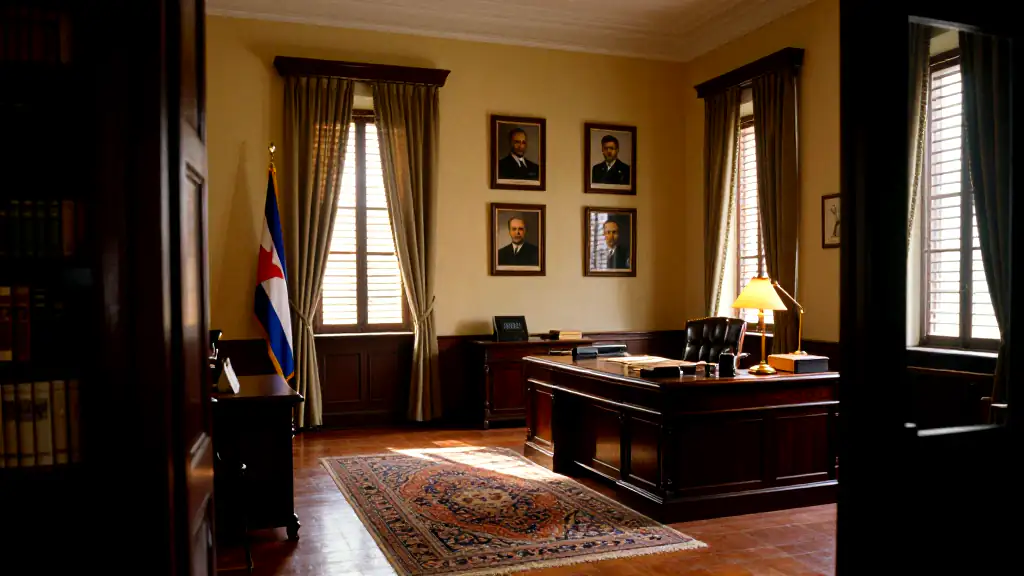
The interview happened in an office that once belonged to Raúl Castro. El Cangrejo is Raúl's grandson. His mother is Raúl's eldest daughter. His father ran GAESA, the military's business empire, until his death in 2022. Since 2016, El Cangrejo has led his grandfather's personal security.
He is a colonel in the Interior Ministry. His nickname comes from being born with six fingers on one hand. He told the newspaper he had never been interested in politics. Then he added a condition. If the revolution needs him to step up, he will.
El Cangrejo is Raúl Castro's grandson, son of Déborah Castro Espín and Gen. López-Calleja
He has headed the General Directorate of Personal Security since 2016
He disclaimed political interest while leaving the door open to a role
It Pains Me
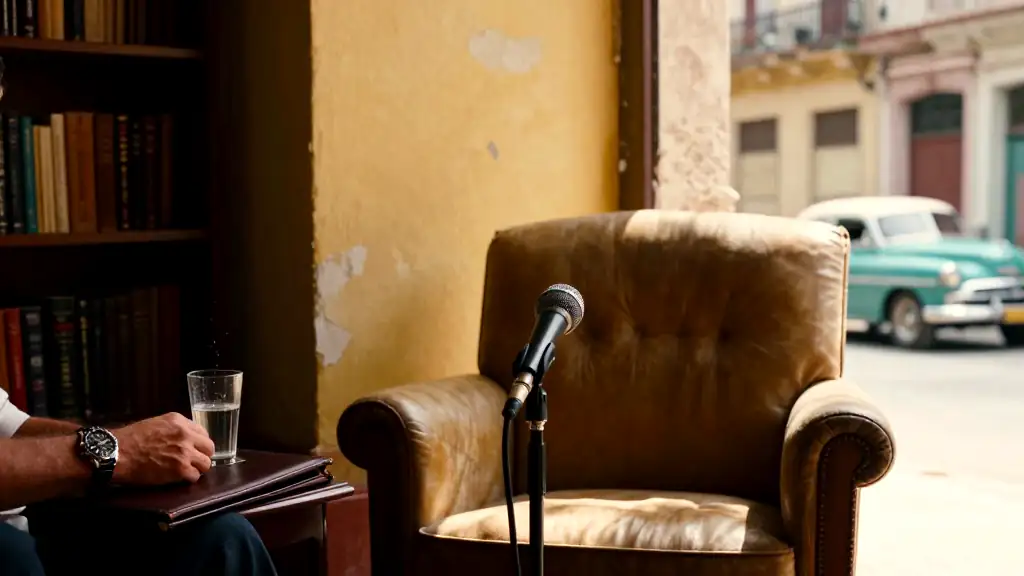
In the interview, El Cangrejo said something remarkable. It pains him that people cannot live as he does. He said he wakes each day to reverse that. As he spoke, he wore a Rolex diving watch. He carried an Italian designer portfolio.
Investigators counted at least 23 private flights to Panama across two years. The average Cuban lives on a state salary of about 16 dollars a month. That is less than the price of a single restaurant meal in Havana's tourist district. The blackouts near his home last up to a full day.
El Cangrejo displays luxury goods and took at least 23 private flights to Panama in 2024-2025
The average Cuban state salary is roughly 16 USD per month per ONEI
The contrast sits against blackouts of up to 25 hours
The Road in Mayarí
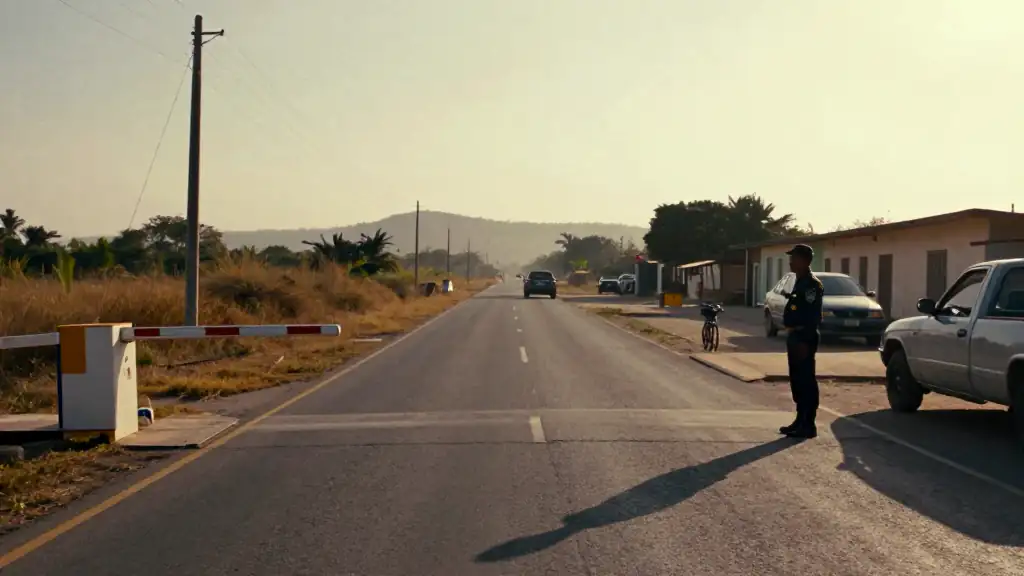
Consider the man Cuba trusts to guard its order. In April 2022, a car struck a 19-year-old mother on a road in Holguín. Her name is Yudelky Peña Fonseca. She was left with severe injuries. By her own testimony, and independent Cuban press, El Cangrejo was driving.
There was no trial. State media reported the crash but never named the driver. This remains an allegation, not a court finding. What is not disputed is the silence. The head of state security, and a case that simply went dark.
In April 2022, a crash in Mayarí, Holguín gravely injured Yudelky Peña Fonseca, 19
Per the victim's testimony and independent press, El Cangrejo was driving; this is an allegation, no trial occurred
State media reported the crash but never named the driver
Why Him, Not the President
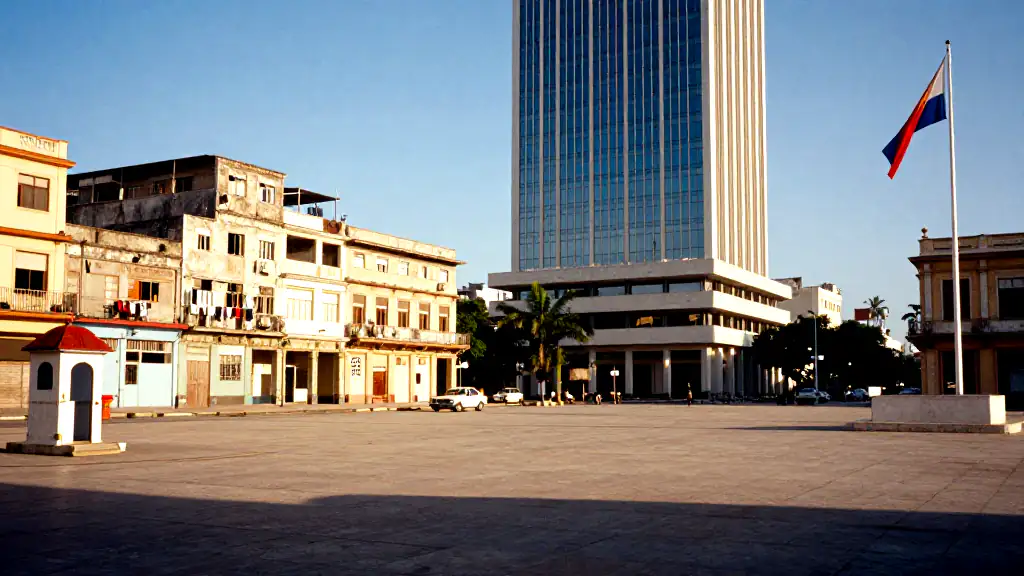
Cuba has a president, Miguel Díaz-Canel. But no Trump official has spoken directly with him. They have spoken with El Cangrejo. Analysts at the Cuba Study Group say Washington has, without meaning to, elevated Raulito's standing. The reason sits in buildings like this one.
His father built GAESA, the military conglomerate that owns hotels, ports, and stores. Economists estimate its gross profits at roughly a third of Cuba's entire economy. It controls close to 90 percent of retail. Real power in Cuba is not the presidency. It is the family that holds the guns and the money.
No Trump-administration official has spoken directly with President Díaz-Canel; they engaged El Cangrejo
GAESA's gross profits equal roughly 37% of Cuba's GDP and it controls about 90% of retail
Power in Cuba is concentrated in the Raulista family circle, not formal institutions
The Worst of Thirty-Three
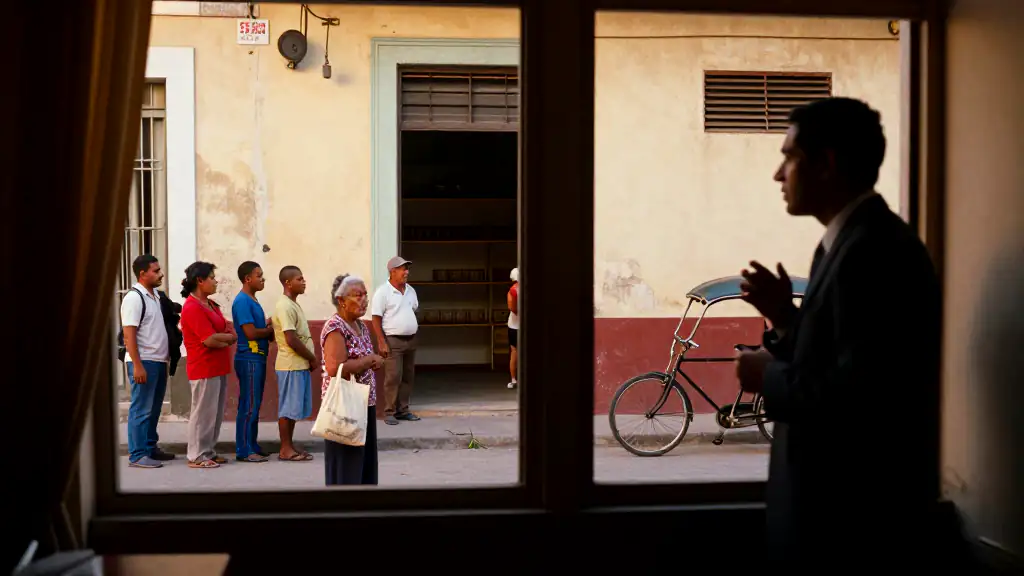
While El Cangrejo talks transition, ordinary Cubans wait. The United Nations economic commission tracks 33 economies in the region. This year it expects most of them to grow. Cuba is the exception. It projects Cuba's economy will shrink by more than six percent in 2026.
That is the worst forecast of all 33. The region as a whole is expected to grow. A US oil blockade signed in January cut Cuba's energy imports by up to 90 percent. In June, the National Assembly approved 176 economic reforms. The lights still went out on July 6.
CEPAL projects Cuba's 2026 GDP to contract 6.5%, the worst of the 33 economies it tracks, against a regional average of +2.2%
A US oil blockade (EO 14380, January 2026) cut Cuban energy imports 80-90%
The National Assembly approved 176 economic reforms in June 2026
Who Inherits Cuba
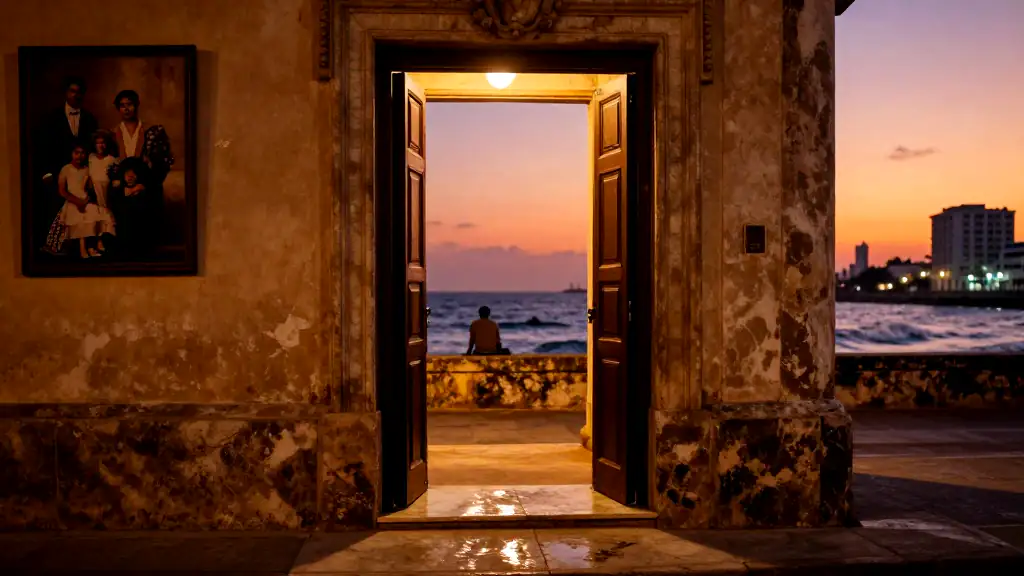
For this to change, power would have to leave the family. That is the hard part. Raúl Castro is 95. His grandson holds the security apparatus. His son ran intelligence. His daughter sits in parliament.
When Washington wants to talk to Cuba, it does not call the elected president. It calls the man who guards the family. El Cangrejo says the truth is not absolute. On July 6, in the dark, that was the one thing Cubans could agree with. A bodyguard nobody elected now offers to negotiate a country of ten million people.
Real change would require power to leave the Castro family circle, which controls security, intelligence, and parliament
Washington engages the family's security head rather than the elected president
An unelected bodyguard has positioned himself as Cuba's interlocutor for its future